BLOG

Why Choose an Aerosol Production Line for Your Business?

Why Choose an Aerosol Production Line for Your Business?

Choosing an Aerosol Production Line can transform a careful product concept into consistent, market-ready output. It connects filling, crimping, leak testing, coding, and packaging within one controlled workflow. Each stage matters. A loose valve, uneven fill, or unreadable batch code can damage customer trust quickly.

Ian Burgess, an aerosol manufacturing consultant, describes the principle clearly: “Consistency is the real product behind every aerosol.” His observation reflects practical factory experience. A well-designed line improves dosing accuracy, reduces manual handling, and supports repeatable quality across thousands of units. Operators can monitor pressure, fill weight, conveyor speed, and inspection results from one coordinated system.

The business case is not only about faster production. A modern Aerosol Production Line can reduce material waste, support safer workplace procedures, and simplify documented quality checks. It may also help manufacturers meet applicable packaging, labeling, environmental, and transport requirements. However, automation is not magic. Poor maintenance, unsuitable components, or weak staff training can create expensive problems. That part deserves honest attention.

Picture a clean filling area, stainless-steel contact parts, and sealed containers moving steadily under bright inspection lights. Small details become measurable results. Still, every business should evaluate product type, container design, production volume, available space, and service support before investing. The cheapest line may not be the most reliable choice. A thoughtful assessment protects cash flow and long-term performance.
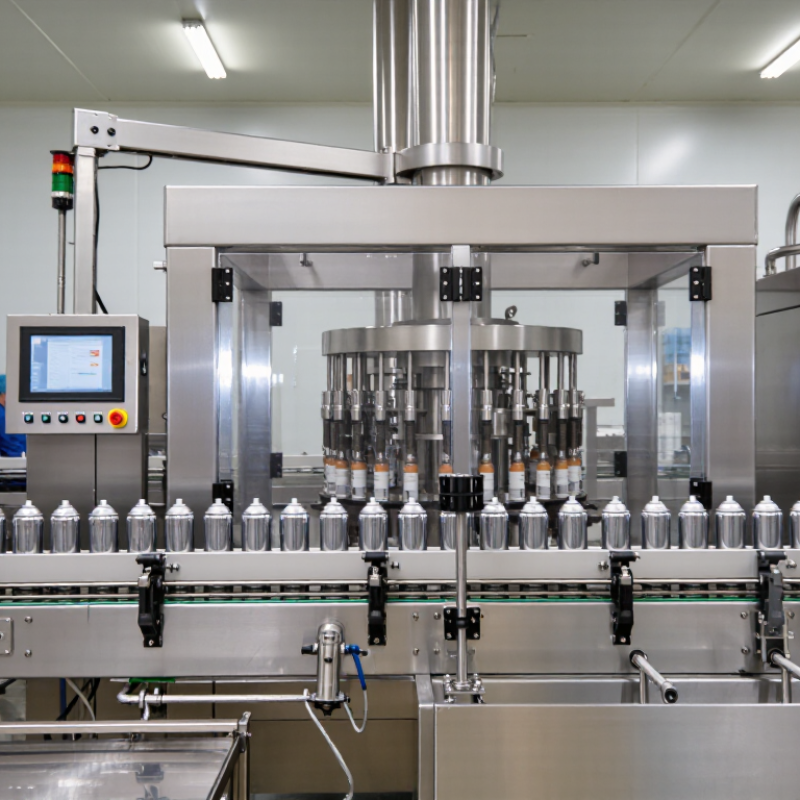
Why Choose an Aerosol Production Line for Your Business?

What an Aerosol Production Line Is and How It Works

Why Choose an Aerosol Production Line for Your Business?

An aerosol production line is an integrated system for filling, sealing, testing, and packing pressurized products. It connects several controlled operations in one workflow. Empty containers move along a conveyor and receive a measured product dose. A valve is then positioned and crimped onto each container. The crimp must be even. Poor sealing can cause leakage or unstable pressure.

The line may add a propellant through a pressure-based filling station, depending on the product design. Sensors monitor container presence, filling weight, and valve placement. Leak testers check whether gas or liquid escapes after sealing. Operators also inspect samples, verify batch records, and compare actual weights with approved specifications. It is not magic. Small errors matter.

A reliable line uses calibrated scales, guarded equipment, suitable ventilation, and grounding controls. Trained technicians adjust filling speed, conveyor timing, and crimping pressure for each container format. Automatic rejection systems can remove underfilled or damaged units before packing. However, automation does not replace judgment. A sensor may pass a container while a scratched seam deserves attention. Production teams should review rejected units, maintain clear work instructions, and record every adjustment. A rushed change can create repeated defects. Careful testing and disciplined maintenance make the process more consistent, traceable, and practical for daily manufacturing.

Key Business Benefits of Choosing an Aerosol Production Line

An aerosol production line can turn a carefully tested formula into consistent, saleable units. Its value reaches beyond faster filling. Integrated equipment links preparation, filling, crimping, coding, and inspection in one controlled flow. Operators can monitor pressure readings, fill weights, and conveyor speed from a central interface. This reduces manual transfers and makes process records easier to review. Consistency matters. Accurate dosing also limits product waste, especially when thousands of containers move through the line daily. Leak testing and valve checks add practical protection before cartons leave the facility.

Reliable output supports planning. Production data helps teams estimate labor, materials, and delivery capacity with fewer guesses. Quick-changeover designs can also support several approved formats without rebuilding the entire system. However, automation is not a cure-all. A line may run quickly while poor cleaning, weak training, or an unstable formula creates expensive problems. Maintenance access must be considered during purchasing, not after a sensor fails. Small errors spread.

Experienced manufacturers usually evaluate safety controls, documentation, operator access, and service response before installation. These checks support responsible production and help demonstrate control during audits. Stainless steel contact parts, guarded moving sections, and verified pressure systems can improve workplace confidence. Still, every facility has different ventilation, utilities, and staffing limits. A technically advanced line can disappoint if it exceeds local space or maintenance skills. Pilot runs and realistic acceptance tests reveal more than impressive specifications. That lesson is easy to overlook.

Main Equipment and Stages in Aerosol Manufacturing

Why Choose an Aerosol Production Line for Your Business?

An aerosol production line connects several controlled stages into one measurable workflow. Grand View Research valued the global aerosol cans market at about USD 11.3 billion in 2023. Its report also projects steady growth through 2030. This expansion increases pressure on manufacturers to improve speed, consistency, and traceability.

The process begins with can feeding, container inspection, and internal cleaning. A liquid filling machine then doses the product accurately. The valve is positioned and crimped with controlled pressure. Propellant charging follows, using dedicated equipment and monitored parameters. Leak testing checks each container before coding, labeling, and case packing. Vision systems can detect damaged cans, incorrect valves, or missing markings.

Small errors matter.

The European Aerosol Federation reported more than 5.5 billion aerosol products filled in Europe during 2023. At that scale, manual handling can create uneven fill weights and avoidable delays. Automated conveyors, checkweighers, pressure controls, and programmable logic systems help reduce these risks. Still, automation is not magic. Nozzle blockage, sensor drift, and poor cleaning can interrupt production. Operators need practical training, documented inspections, and calibrated instruments. I would also leave space for manual checks, because production data does not explain every unusual result. A well-designed line should therefore combine reliable equipment with flexible quality control, clear maintenance access, and safe material handling.

Why Choose an Aerosol Production Line for Your Business?

Aerosol production lines integrate can feeding, product filling, valve placement and crimping, propellant charging, leak testing, actuator fitting, labeling, and packing. Supporting multiple nominal can volumes helps manufacturers serve different consumer and industrial product formats with one coordinated line.

The chart shows common nominal aerosol container fill volumes used across personal-care, household, automotive, and industrial applications. Actual line settings depend on can dimensions, formulation, valve type, propellant, filling technology, and regulatory requirements.

Safety, Quality, and Regulatory Considerations

Why Choose an Aerosol Production Line for Your Business?

Safety, Quality, and Regulatory Considerations

An aerosol production line can improve consistency, but safety must guide every design decision. Pressure-rated equipment, effective ventilation, grounding, and emergency shutoffs are essential. Interlocked doors can prevent operation during maintenance. Leak testing should occur before production begins. Small failures can create serious risks. Experienced engineers should review the layout, utilities, and operating procedures. A risk assessment should be updated when materials, containers, or equipment change.

Quality depends on controlled details. Calibrated filling systems help maintain accurate product weight. Crimp dimensions, valve placement, spray performance, and container appearance require regular checks. Vision inspection can identify damaged components, although it should not replace trained operators. Batch records must support full traceability. Automation reduces variation, but it does not eliminate judgment. That assumption deserves careful review.

Tips: Confirm local pressure-equipment rules before purchasing machinery. Prepare current safety data sheets and compliant labels. Use documented cleaning and maintenance schedules. Test emergency systems regularly. Train operators with practical drills, not classroom slides alone. Ask suppliers for validation records, material certificates, and change-control procedures. Regulatory expectations differ by market, product category, and packaging format. Independent compliance advice is often worthwhile. Even a well-planned line may need adjustment after pilot production. Capture those lessons honestly.

How to Select the Right Aerosol Production Line for Your Business

Why Choose an Aerosol Production Line for Your Business?

How to Select the Right Aerosol Production Line for Your Business

Choosing an aerosol production line starts with the product, not the machine catalogue. Define the formula, can size, valve type, fill weight, and expected output. A line for household cleaners may not suit personal-care products. Viscosity can change filling accuracy. Propellant selection also affects equipment design, ventilation, and operating controls. Keep every requirement measurable. Ask for batch records, target tolerances, and shift details before requesting quotations. In my experience, vague capacity claims create expensive surprises.

Evaluate each stage carefully: can feeding, product filling, valve placement, crimping, propellant charging, leak testing, coding, and case packing. The line should protect operators and maintain stable quality at every station. Check whether contact parts match the formulation and cleaning method. Request test results, calibration procedures, guarding details, and emergency system records. Compliance must be verified locally. Review pressure equipment, worker safety, electrical systems, waste handling, and transport rules. A certificate from another market may not be enough.

Calculate total cost, not only purchase price. Include installation, utilities, training, spare parts, validation, maintenance, and planned downtime. Ask for a factory acceptance test using your cans and materials. A short trial can expose foam, underfilling, poor crimping, or slow changeovers. No line is perfectly automatic. Manual checks may still be necessary. I would not trust a polished demonstration alone; real production conditions are less forgiving.