How to Use Food Xray for Safe Eating Practices?
In today's world, food safety is a major concern. The rise of foodborne illnesses pushes us to seek better solutions. Enter food xray, a groundbreaking technology that enhances our ability to inspect food items. This innovative method reveals hidden contaminants and harmful substances, significantly reducing health risks.
Using food xray allows consumers and producers to ensure that what we eat is safe. It detects foreign objects, enabling quick intervention before contaminated food reaches our tables. However, not every establishment uses food xray. Some may overlook its benefits, leaving consumers vulnerable to unsafe practices. This gap emphasizes the need for awareness and action.
Exploring food xray usage encourages safe eating habits. When we understand how it works, we empower ourselves to make better food choices. Adopting this technology could transform our food systems. The journey toward assurance in what we consume requires collective effort and reflection.

Understanding Food X-ray Technology
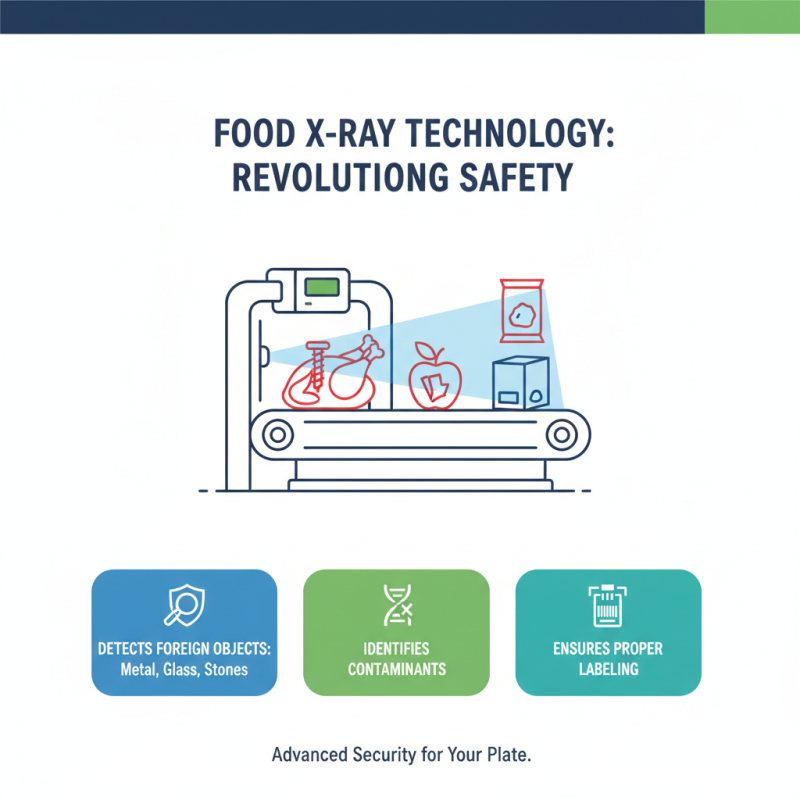
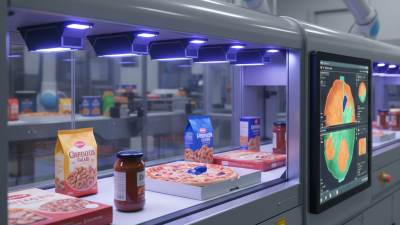
Food X-ray technology is transforming the way we ensure food safety. It uses radiation to scan food items. This helps to identify foreign objects, contaminants, and even ensure proper labeling. X-ray machines can detect items such as metal, glass, and stones that may pose a risk if ingested. This provides a layer of security that traditional inspection methods may miss.
Understanding how this technology works reveals its benefits and limitations. The process doesn’t guarantee 100% safety. Some contaminants may be too small or dense to detect. Additionally, certain food types, like packed items, can obscure potential hazards. Users must rely on regular maintenance and calibration of X-ray machines to maximize effectiveness. Interpreting X-ray images requires skilled operators who can make judgments based on subtle differences.
Incorporating Food X-ray into routine checks can enhance safety practices. However, it shouldn’t replace thorough hygiene protocols. Workers should be trained in recognizing possible failures in the system. Reflecting on the risks associated with complacency is vital. Ultimately, a multi-layered approach will provide the best safeguard for consumers.
Benefits of Using Food X-ray for Safe Eating
Food X-ray technology offers clear benefits for safe eating practices. It helps detect harmful foreign objects, ensuring what you consume is safe. This technology can identify various contaminants, from metal to plastic. Regular use in food inspections enhances consumer protection significantly. Knowing your food is free from hidden dangers creates peace of mind.
To make the most of Food X-ray, consider these tips. Always check for food that has been X-rayed for safety. Don’t rely solely on visual inspection; invisible threats exist. Pay attention to packaging details. If food appears compromised, question its safety. Be cautious about buying from unverified sources.
Food safety is not foolproof. Sometimes, contaminants slip through inspections. This reality encourages continued vigilance. Stay informed about Food X-ray advancements. Engage with communities discussing food safety. Share experiences and learn from others. Doing this fosters a culture of awareness and responsibility in eating habits.
How to Use Food Xray for Safe Eating Practices? - Benefits of Using Food X-ray for Safe Eating
| Aspect |
Description |
Benefits |
| Food Safety |
Using X-ray technology to identify contaminants in food products. |
Reduces the risk of foodborne illnesses. |
| Quality Control |
Ensures that food meets regulatory standards before reaching consumers. |
Increases consumer confidence in food quality. |
| Traceability |
Allows tracking of the source of food products for better transparency. |
Enhances food safety protocols and accountability. |
| Cost-effectiveness |
Reduces costs associated with food recalls and safety incidents. |
Improves overall operational efficiency. |
| Sustainability |
Minimizes food waste by identifying spoiled or contaminated products. |
Supports environmentally friendly practices in food production. |
How to Choose the Right Food X-ray Machine
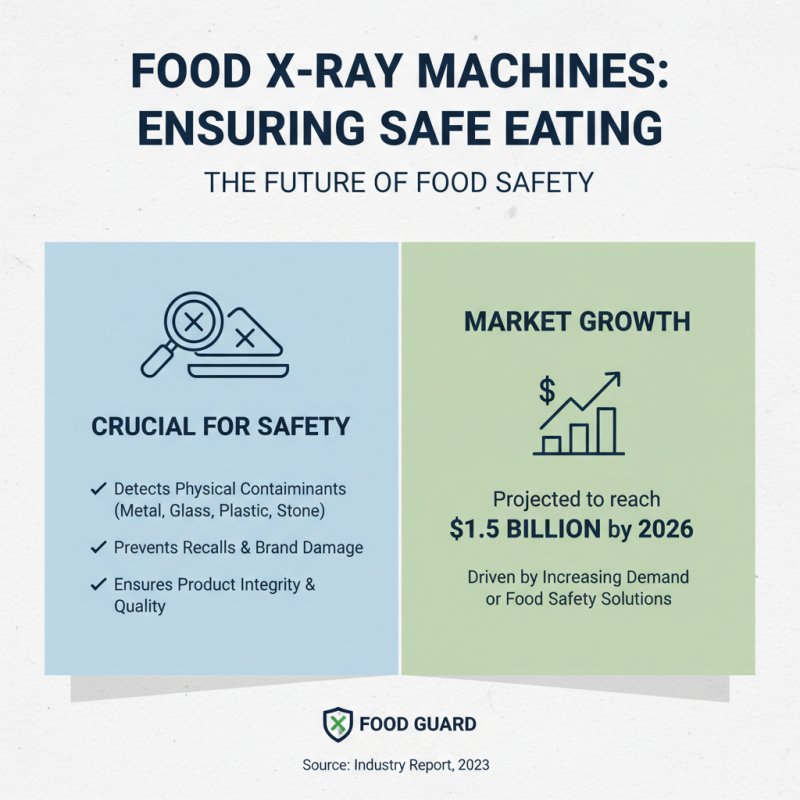
Choosing the right food X-ray machine is crucial for ensuring safe eating practices. With the increasing demand for food safety solutions, the X-ray technology market is projected to grow significantly. According to a recent industry report, the food X-ray machine market is expected to reach $1.5 billion by 2026, highlighting its importance in food safety.
When selecting a food X-ray machine, consider the size and type of the items being inspected. Machines vary in their capabilities. Some are suited for bulk items, while others work best with individual packaged goods. Make sure to evaluate detection capabilities, like finding foreign objects. Research indicates that machines with higher sensitivity can detect contaminants as small as 0.8 mm.
Tips: Always check for compliance with local regulations. Make sure the machine can handle your specific needs. Regular maintenance is essential for optimal performance. Monitor the technology updates so you stay informed.
Take time to assess your options. It's easy to choose based on price alone, but this approach can be misleading. A cheaper machine may lack the necessary features. Investing in a quality model can prevent potential food safety issues in the future.
Step-by-Step Guide to Using Food X-ray
Using food X-ray technology can greatly enhance safe eating practices. Consumers can examine food items for contaminants or hazardous materials. This process helps in detecting foreign objects that could pose health risks. In fact, a report from the International Journal of Food Safety indicates that 20% of food recalls are caused by foreign material contamination.
To utilize food X-ray effectively, you should follow a series of steps. Begin by selecting the right X-ray machine suited for your needs. Ensure the machine can identify various materials and sizes. Place the food item securely within the X-ray chamber, maintaining a safe distance. Observe the display for any alerts or anomalies. This method enhances food safety, confirming it is free from external threats. However, some users may misinterpret the images, leading to potential errors.
Regularly calibrating the equipment is vital for accuracy. Many studies highlight that improper calibration can lead to false negatives, risking consumer safety. Training users is just as important. Lack of knowledge can lead to missed detections. Be mindful that X-ray technology is an investment. It's not just about the initial purchase, but also ongoing maintenance to ensure optimal performance.
Food Safety Analysis Using Food X-ray
This bar chart illustrates the analysis metrics derived from using Food X-ray technology. It visually represents the effectiveness of the technology in evaluating food safety across different dimensions: contaminants, nutritional quality, shelf life, microbial safety, and packaging integrity.
Best Practices for Ensuring Food Safety with X-ray
Using food X-ray technology enhances food safety significantly. X-ray inspection can detect foreign objects, contaminants, and inconsistencies in packaging. According to a 2022 report by Food Safety Magazine, 85% of food manufacturers have implemented this technology to ensure product safety. This practice curtails the risks of consumer exposure to harmful items.
Implementing best practices involves maintaining equipment regularly. Regular calibration is essential for accuracy. Neglecting maintenance can lead to false readings and missed contaminants. It’s crucial to train employees on X-ray safety protocols. Many incidents occur due to user error. Limiting distractions during inspection boosts focus.
However, challenges persist. Not all contaminants are detectable. Some organic materials can evade X-ray detection. Relying solely on this technology may give a false sense of security. Regular audits and combining inspections with other safety measures enhance overall effectiveness. Balancing technology use and human oversight is vital for comprehensive food safety.