How to Source Lion's Mane Mushroom Extract in 2026?
Sourcing Lion’s Mane Mushroom Extract in 2026 requires more than comparing prices. It requires evidence, traceability, and disciplined supplier verification.
Grand View Research valued the global functional mushroom market at approximately USD 32.04 billion in 2023. It projects a 9.5% compound annual growth rate from 2024 to 2030. These figures show strong demand. They do not guarantee product quality. Market estimates also vary because analysts define “functional mushrooms” differently.
Paul Stamets, founder of Fungi Perfecti and a respected mycologist, has described lion’s mane as “a medicinal mushroom with culinary value.” That distinction matters. A food-grade powder is not automatically a concentrated extract. Buyers should confirm the mushroom species, growing substrate, extraction method, and active-compound testing.
Look for Hericium erinaceus on the specification sheet. Ask whether the product uses fruiting bodies, mycelium, or both. Request a recent certificate of analysis. It should show beta-glucans, moisture, heavy metals, pesticides, microbes, and residual solvents. Clear batch numbers help connect the laboratory report with the shipment.
The details can feel unglamorous.
Yet they protect the purchasing decision.
A credible supplier should explain its farm location, processing temperature, storage conditions, and packaging controls. Independent testing strengthens that explanation. Still, no certificate replaces careful review. Some reports may be incomplete, outdated, or poorly matched to the batch.
This guide examines how to source Lion’s Mane Mushroom Extract responsibly in 2026. It also questions assumptions that deserve more scrutiny. Higher concentration does not always mean better value. A polished label does not prove reliable science.
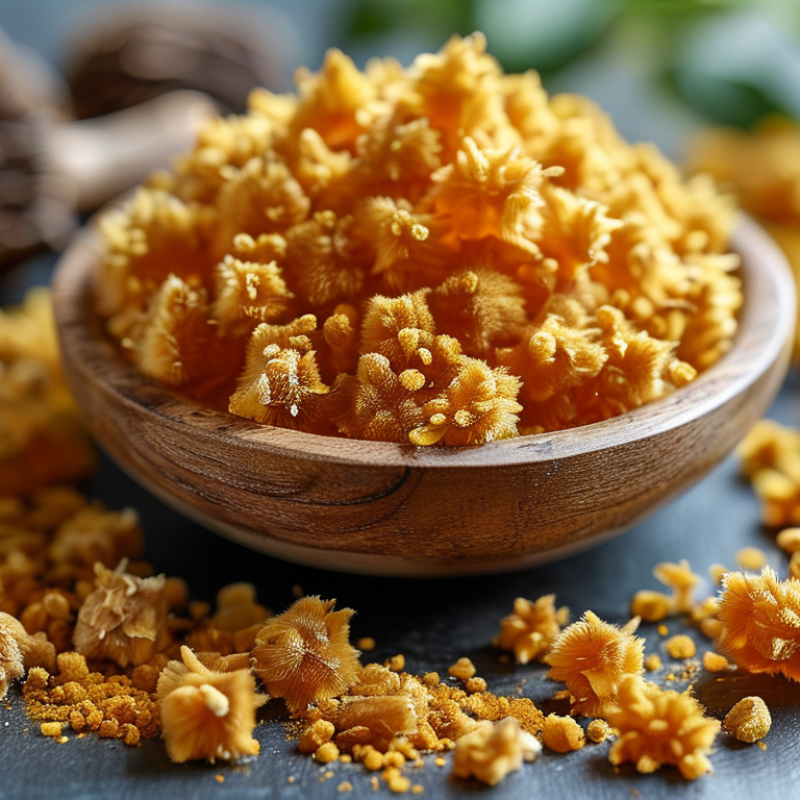
What Lion’s Mane Extract Is and Why Buyers Source It
How to Source Lion's Mane Mushroom Extract in 2026?
Lion’s Mane extract is a concentrated preparation made from the fruiting body, mycelium, or both. It is commonly produced with hot water, alcohol, or a combined extraction process. Each method removes different compounds. Buyers often source it for supplements, functional foods, beverages, and formulation trials. The ingredient’s value depends on its intended use, not just its powder color.
In practical sourcing, I would request the Latin name, cultivation method, plant part, extraction ratio, and solvent details. A reliable supplier should provide a recent certificate of analysis for every production lot. Check beta-glucan results, moisture, microbial limits, heavy metals, pesticides, and allergen controls. “Polysaccharides” alone can be vague. Some tests may measure starch or other carbohydrates instead of meaningful mushroom compounds.
Traceability matters when comparing suppliers. Ask for harvest records, processing dates, storage conditions, and packaging specifications. A stable extract should arrive in sealed, moisture-resistant packaging with clear batch identification. I have seen attractive samples fail basic documentation checks. That was inconvenient, but useful. No specification is perfect. Buyers should also test independent samples before approving large orders, because laboratory results and real-world performance can differ. Sensory details matter too: aroma, color, flowability, and sediment can affect the final product. Claims should remain modest and evidence-based, especially when consumer health expectations are involved.
How to Define Quality, Potency, and Intended Use
How to Source Lion’s Mane Mushroom Extract in 2026?
Quality begins with identity, not a glossy certificate. Confirm the species through microscopy and DNA testing, then verify whether the material is fruiting body, mycelium, or a mixture. These forms are not interchangeable. Request a batch-specific certificate of analysis covering beta-glucans, moisture, heavy metals, pesticides, microbes, and residual solvents. A total polysaccharide number can mislead when alpha-glucans inflate the result. Ask for beta-glucan testing by a validated laboratory method. Small details matter.
Potency must match the intended use. A culinary powder, beverage ingredient, and concentrated supplement require different specifications, serving sizes, and stability data. Define the target extract ratio, solvent, marker compounds, and acceptable variation before requesting quotations. The American Botanical Council’s HerbalGram market report recorded about 12.6 billion dollars in U.S. herbal supplement sales in 2023, showing strong demand but not automatic quality. Research and Markets has also projected continued growth in functional mushroom ingredients through the decade. Market growth can hide weak documentation.
I would also review harvest location, drying temperature, packaging, and accelerated stability results. The extract should remain consistent after transport, not only on production day. I still question unusually high potency claims without raw chromatograms and independent retesting. Ask for traceability from farm to finished lot. It takes longer. It prevents expensive surprises.
Where to Find Qualified Lion’s Mane Extract Suppliers
How to Source Lion’s Mane Mushroom Extract in 2026?
Qualified Lion’s Mane extract suppliers should provide more than a polished website. In practical sourcing, request the latest certificate of analysis for every production batch. Check beta-glucan content, moisture, microbial limits, heavy metals, pesticides, and residual solvents. The certificate should identify the Latin species, production date, lot number, and testing methods. A clear supply chain matters.
Grand View Research’s 2024 functional mushroom analysis projects strong market growth through 2030, while other industry reports publish different estimates. The disagreement is useful. It shows why buyers should verify data instead of trusting market-size claims. Ask whether the extract uses fruiting bodies, mycelium, or both. Confirm the extraction medium, such as hot water or ethanol, because processing changes the final profile. Suppliers should also explain erinacine and hericenone testing, although these results are not always standardized. That gap deserves caution.
Request a small sample before discussing large volumes. Test its color, aroma, solubility, and stability in your intended formula. Review the supplier’s GMP documentation, allergen controls, audit history, and recall procedure. ISO 22000 or HACCP certification can support confidence, but neither replaces independent batch testing. A recent 2024 supplement industry report noted continued consumer interest in transparent ingredient sourcing, yet traceability remains uneven across botanical supply chains. I would not accept a generic COA. It is convenient, but weak evidence. Supplier performance should be reviewed again after the first shipment.
How to Verify Testing, Certifications, and Product Safety
Sourcing lion’s mane mushroom extract in 2026 requires more than a polished certificate. I would request a current certificate of analysis for every production batch. The document should show the lot number, test date, laboratory name, and sample identity. Match those details against the drum label and purchase records. Small mismatches can reveal weak traceability.
Ask whether an independent laboratory performed the testing. ISO/IEC 17025 accreditation supports technical competence, but it does not prove product quality by itself. Review results for mushroom identity, beta-glucans, moisture, heavy metals, microbes, pesticides, and residual solvents. The testing method matters. A total-polysaccharide result may not confirm meaningful beta-glucans. I would also request the extraction ratio, carrier details, and solvent information. Clear answers build confidence.
Certifications should be verified through the issuing organization, not accepted as images in an email. Check manufacturing controls, allergen handling, sanitation records, and recall procedures. A supplier should provide stability data and recommended storage conditions. I prefer sealed, light-resistant packaging with a visible lot code. It feels practical, not glamorous.
No document is perfect. I once overlooked how an outdated test covered a different formulation. That mistake changed my review process. Now I compare specifications, testing dates, and shipment samples before approval. Independent identity testing remains valuable, especially when the powder looks and smells ordinary. If a supplier avoids reasonable questions, I pause the purchase. Safety deserves patience.
How to Compare Prices, Orders, Contracts, and Delivery Terms
How to Source Lion's Mane Mushroom Extract in 2026?
Price comparison should begin with specifications, not the headline number. Ask whether the extract uses fruiting bodies, mycelium, or a stated blend. Confirm the extraction ratio, beta-glucan level, moisture, shelf life, and serving format. A low price may reflect weaker concentration or incomplete testing. Request a recent certificate of analysis covering identity, heavy metals, pesticides, microbes, and batch number. Check that the testing laboratory is independent and traceable.
Order terms can change the real cost quickly. Compare minimum order quantities, sample fees, production lead times, payment stages, and quality inspection rights. A useful contract should define specifications, approved packaging, delivery dates, rejection procedures, and remedies for failed batches. Incoterms must be written clearly. So must currency and tax responsibility. Do not rely on informal promises.
Delivery terms deserve a separate calculation. Add product cost, freight, insurance, customs charges, warehouse handling, and possible testing fees. Confirm carton size, pallet limits, moisture protection, and temperature requirements. Ask for shipping documents before dispatch. A spreadsheet helps, but it can hide uncertain estimates. Recheck freight quotes near the purchase date. I would also leave a small time buffer; delays happen, even with careful suppliers. Supplier audits, responsive communication, and consistent batch records provide stronger evidence than polished sales materials.

