BLOG

Top Metal Detectors for the Pharmaceutical Industry You Should Consider?

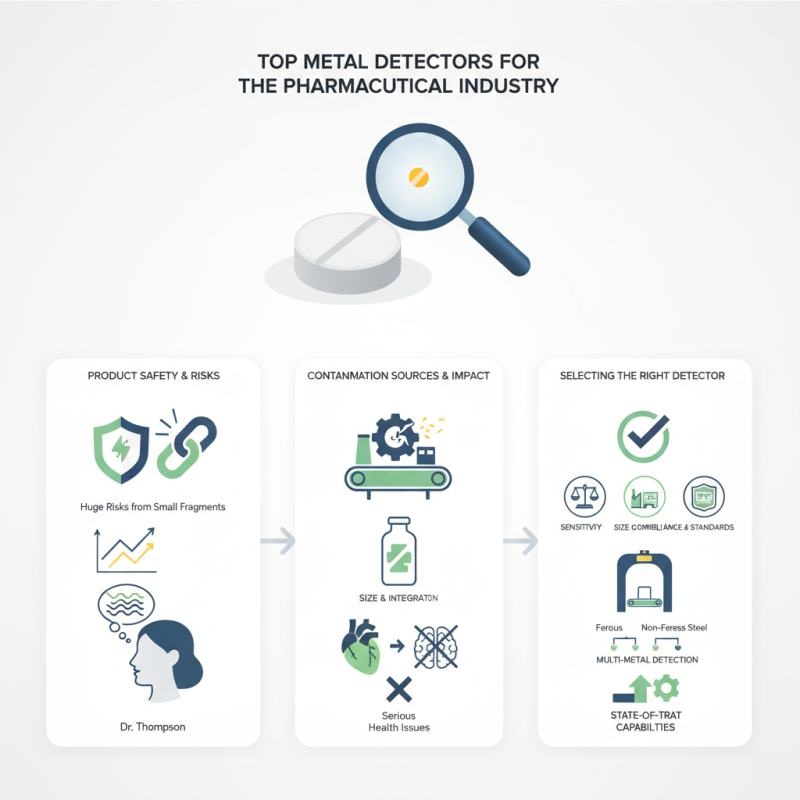
In the pharmaceutical industry, ensuring product safety is a top priority. Effective quality control requires advanced tools, especially a reliable metal detector for the pharmaceutical industry. Dr. Jane Thompson, a leading expert in pharmaceutical manufacturing, once stated, "A small metal fragment can lead to huge risks." Such risks highlight the importance of implementing robust detection systems.

Metal detectors help in identifying contaminants in drug products, which may come from various sources. During production, machinery wear and tear can introduce metals into the supply chain. Even a minimal error can result in serious health issues for consumers. Therefore, choosing the right metal detector for the pharmaceutical industry is critical.

The market offers many options, each with unique features. Advanced models can detect various metal types, including ferrous, non-ferrous, and stainless steel. These detectors can be integrated into production lines, ensuring consistent monitoring. However, selecting the most appropriate system can be challenging. Factors such as sensitivity, size, and compliance with industry standards must be considered. Companies must also reflect on their current practices and seek improvements. Ensuring their metal detection capabilities remain state-of-the-art is essential.
Top Metal Detectors for the Pharmaceutical Industry You Should Consider?

Key Features to Look for in Metal Detectors for Pharmaceuticals

When selecting metal detectors for the pharmaceutical industry, specific features are essential. Sensitivity is crucial for detecting minuscule metal fragments. High sensitivity ensures that even the smallest contaminants are caught before reaching consumers. Adjustable settings can enhance detection accuracy depending on product types.

Another important aspect is speed. Fast detection minimizes production delays. A high-speed detector can keep up with production lines, ensuring efficiency. Additionally, the ease of integration into existing systems is vital. Compatibility can save time and costs during implementation. Detection systems should ideally be user-friendly. Complex interfaces can lead to operational errors.

Another noteworthy factor is the design of the detector. Compact models save space. A design that allows for easy cleaning is also beneficial. Hygiene standards are critical in this industry. Neglecting cleanliness can lead to contamination risks. Regular maintenance checks should be factored into operations, making reliability paramount.
Types of Metal Detectors Commonly Used in the Pharmaceutical Industry

Top Metal Detectors for the Pharmaceutical Industry You Should Consider?

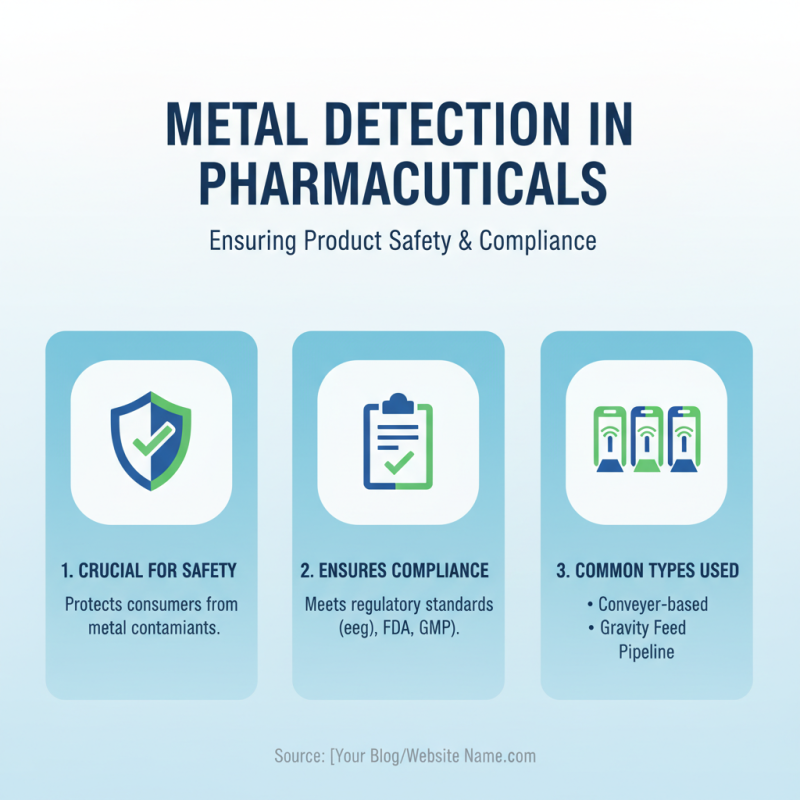
Metal detection is crucial in the pharmaceutical industry. It ensures product safety and compliance. Several types of metal detectors are commonly used for this purpose.

One type is the conveyor belt metal detector. This system scans products while they move. It quickly identifies any metal contaminants. Another type is the hand-held metal detector. It is portable and ideal for scan areas that are hard to reach. Each device has different sensitivity levels. This variability can impact the detection outcomes.

Detection systems can sometimes miss small particles. Calibration issues may also arise. Regular maintenance is essential to ensure accuracy. Poor detection can lead to significant quality control problems. Pharmaceutical companies must remain vigilant to uphold their standards. The right choice of a metal detector can mitigate these risks effectively.

Top Metal Detector Brands Recommended for Pharmaceutical Applications

When it comes to the pharmaceutical industry, selecting quality metal detectors is crucial. These devices ensure product safety and compliance with industry standards. According to a recent market report, around 30% of pharmaceutical companies have faced contamination issues in the past decade. Choosing effective detection technology can significantly reduce these risks.

Top recommended brands often feature advanced detection capabilities. They utilize different technologies such as electromagnetic induction. These methods enhance the detection of ferrous and non-ferrous metals in various products. A well-integrated metal detection system can improve workflow and safety. However, not all systems are infallible. Regular maintenance is a necessity, as sensors can degrade over time, leading to potential lapses.

Tip: Regularly calibrate and test metal detectors to ensure reliability. Set up a schedule based on your production volume. Alternatively, consider a dual-system approach. This method provides backup detection and reduces the chance of product recall. The goal is to invest wisely in technology that safeguards your pharmaceuticals while allowing room for improvement.

Top Metal Detectors for the Pharmaceutical Industry

This bar chart illustrates the performance metrics of top metal detectors for the pharmaceutical industry. Key features assessed include sensitivity, detection speed, reliability, ease of use, and compliance with industry standards.

Best Practices for Implementing Metal Detection in Pharma Production

Top Metal Detectors for the Pharmaceutical Industry You Should Consider?

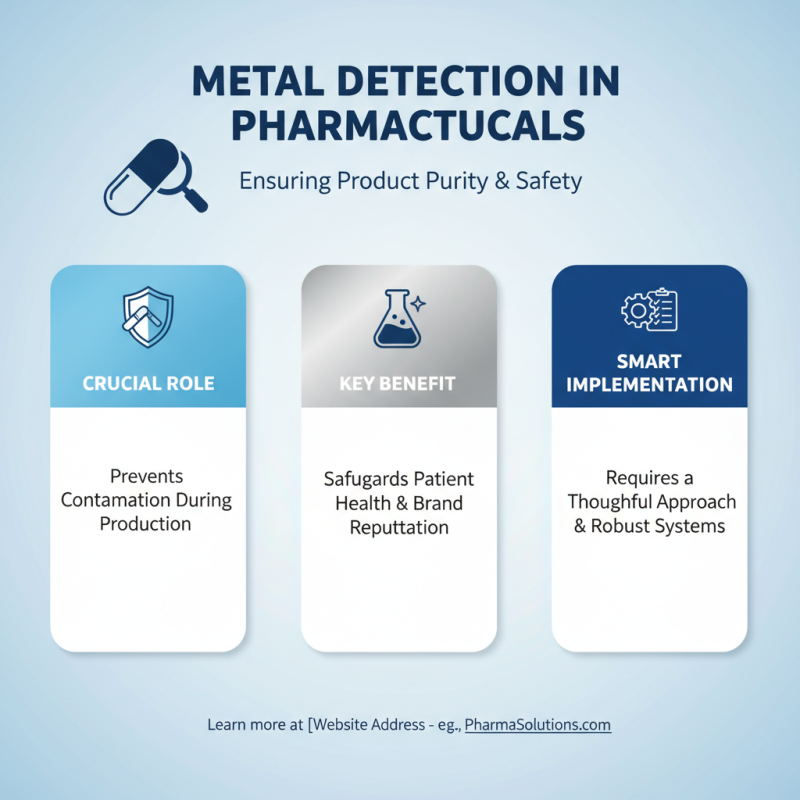
In the pharmaceutical industry, metal detection is crucial. It helps prevent contamination during production. Implementing effective metal detection systems requires a thoughtful approach.

It's important to train staff properly. They should understand the importance of metal detection. Regular training can keep everyone informed on best practices. Staff should also know how to use the equipment. This reduces the chance of errors.

Tip: Regular audits can enhance performance. Inspect metal detectors at scheduled intervals. Adjust settings as necessary. Also, be ready to analyze failure modes. Understand why a detection system might fail. It’s essential to refine processes based on past issues.

Consider the layout of your production line. Metal detectors should be positioned strategically. This increases chances of detecting contaminants efficiently. Routine maintenance is essential too. Equipment may wear down over time. Ensure components function as intended to maintain safety. Always reflect on system performance and make improvements where needed.

Regulatory Standards for Metal Detection in the Pharmaceutical Sector

In the pharmaceutical industry, regulatory standards for metal detection are very strict. Companies must ensure their products are free from contamination. This prevents adverse health effects on patients. Metal detectors play a vital role in maintaining product integrity. They help identify and remove metallic particles that could enter the supply chain.

Compliance with regulations is not always straightforward. Different regions have varying rules. Some companies may struggle with outdated equipment. This can lead to lapses in detection efficacy. Investing in advanced metal detection technology is not just a choice; it is a necessity. Regular audits and equipment testing help ensure compliance and safety.

Moreover, training staff is essential. Properly trained personnel can significantly reduce human error. However, many organizations overlook this aspect. Engaging employees in ongoing training provides better results. It's important to foster a culture of safety and quality. Constant reflection on processes can lead to improvements in detection standards.