What is Food Xray and How It Revolutionizes Food Safety with Industry Insights and Data
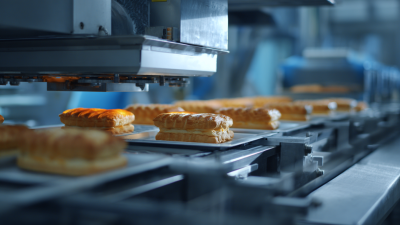
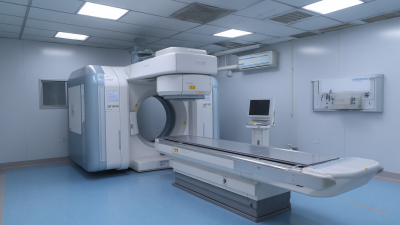
In the realm of food safety, technological advancements are continually redefining industry standards and practices. One such innovation, "food Xray," has emerged as a pivotal tool in enhancing the safety and quality of food products. According to the latest report by MarketsandMarkets, the global food safety testing market is projected to reach USD 20.93 billion by 2025, propelled by the need for improved detection of contaminants and compliance with stringent regulations. Food Xray technology presents a groundbreaking solution by utilizing high-energy X-ray imaging to inspect food items for harmful substances, including foreign objects and microbiological hazards, before they reach consumers.
As the food industry grapples with increasing scrutiny and consumer demand for transparency, the integration of food Xray systems offers significant advantages. It is estimated that approximately 1 in 10 people around the world fall ill after eating contaminated food, according to the World Health Organization. Employing food Xray technology can dramatically reduce these risks, resulting in enhanced safety protocols and tighter quality control measures. By providing detailed insights into food composition, this technology not only protects consumers but also strengthens the overall integrity of food supply chains, ultimately revolutionizing the way we approach food safety across various sectors.
The Emergence of Food Xray Technology in Modern Food Safety Practices
The emergence of Food Xray technology marks a significant advancement in modern food safety practices, addressing the increasing demand for quality assurance in the food industry. As global food supply chains become more complex, traditional inspection methods often fall short in detecting contaminants and foreign materials. Food Xray technology utilizes advanced imaging techniques to provide a thorough analysis of food products, enhancing the ability to identify potential hazards quickly and accurately.
This cutting-edge technology not only improves detection rates of physical contaminants—such as metal, glass, and plastic—but also has the potential to analyze product quality and packaging integrity. By incorporating Food Xray into their safety protocols, food manufacturers can ensure compliance with health regulations while minimizing foodborne illnesses. The integration of data analytics further empowers stakeholders to make informed decisions, optimizing processes and elevating consumer trust in food safety standards.
What is Food Xray and How It Revolutionizes Food Safety with Industry Insights and Data
| Dimension |
Description |
Impact on Food Safety |
Data & Insights |
| Detection Technology |
Advanced imaging techniques utilizing X-ray technology. |
Enhances detection of foreign objects in food products. |
X-ray systems reduce false negatives by up to 95%. |
| Regulatory Compliance |
Adherence to food safety standards and regulations. |
Improves compliance with FDA and EU regulations. |
Companies report a 30% decrease in compliance issues. |
| Operational Efficiency |
Streamlining inspection processes in food production. |
Reduces manual checking time, increasing throughput. |
Operational efficiency increased by up to 40%. |
| Cost Savings |
Reduction in product recalls and waste. |
Minimizes financial losses associated with contamination. |
Companies save an average of $500,000 per year. |
| Consumer Trust |
Building confidence in food safety practices. |
Increases consumer loyalty and brand reputation. |
Consumer trust ratings improve by 20% post-implementation. |
Key Industry Insights on the Adoption of Food Xray in Supply Chains
The adoption of Food X-ray technology in supply chains is significantly transforming food safety standards across the industry. As the market for X-Ray Foreign Object Detection Equipment is projected to reach USD 570.92 million by 2031, with a CAGR of 7.17% from 2025 to 2031, the emphasis on ensuring the safety and integrity of food products is becoming increasingly critical. These advancements are fueled by a growing awareness of food safety challenges and the need for reliable detection methods.
Moreover, the health sector's ongoing integration of advanced technologies further complements this trend. The emergence of vision inspection systems, anticipated to value $9.29 billion by 2032, also indicates an industry shift towards adopting more sophisticated monitoring processes. As supply chains evolve, the implementation of technologies such as Food X-ray is not just a necessity for compliance, but also a strategic asset that enhances consumer trust and brand credibility in the food industry.
Analyzing Data Trends: The Impact of Food Xray on Contamination Rates
Food X-ray technology is transforming the landscape of food safety by significantly reducing contamination rates in the industry. With increasing incidents of foreign matter in food products, the implementation of advanced X-ray Foreign Object Detection Equipment has become crucial. The market for such equipment is expected to reach approximately USD 570.92 million by 2031, showcasing a robust growth supported by a compound annual growth rate (CAGR) of 7.17% from 2025 to 2031. This technological advancement enables manufacturers to effectively identify and eliminate foreign objects, such as metal and plastic, before products reach consumers.
In addition to equipment growth, insights from recent reports emphasize the importance of data-driven approaches in minimizing contamination. For instance, the release of benchmarking reports on foreign material contamination highlights specific industry challenges and provides actionable insights for manufacturers. Analyzing these data trends is imperative for understanding contamination patterns, thereby allowing businesses to adopt more effective safety protocols. As industries increasingly integrate X-ray inspection systems and artificial intelligence technologies, the overall food safety landscape is evolving, leading to a safer and more transparent food supply chain.
Cost-Benefit Analysis: How Food Xray Enhances Compliance and Reduces Waste
Food Xray technology is transforming food safety by providing deeper insights into compliance and waste management. As businesses strive to meet regulatory standards, implementing Food Xray can significantly enhance compliance processes. This technology allows for precise monitoring of food products, ensuring they meet safety regulations before reaching consumers. By detecting contaminants and irregularities in food items, companies can avoid costly recalls and mitigate health risks associated with unsafe food distribution.
A cost-benefit analysis reveals that the integration of Food Xray not only supports compliance but also leads to a substantial reduction in waste. By identifying defects early in the supply chain, businesses can refine their inventory management and optimize production processes. This reduces the likelihood of overproduction and waste, ultimately saving costs and improving sustainability efforts. By leveraging data and insights generated by Food Xray, companies can create a more efficient food supply chain, aligning profitability with public health objectives.
Food Xray Impact on Food Safety and Waste Reduction
This bar chart illustrates the improvements in food safety compliance and waste reduction achieved through the implementation of Food Xray technology. The data reflects benefits observed over a one-year period across various metrics.
Real-World Case Studies: Success Stories of Food Xray Implementation
 Food Xray technology has emerged as a transformative force in the realm of food safety, offering unprecedented capabilities to detect contaminants and ensure product integrity. Real-world case studies have showcased the successful implementation of Food Xray systems across various sectors of the food industry. For instance, a major meat processing plant adopted this technology to screen for metal fragments, resulting in a significant reduction in product recalls and enhanced consumer confidence. The integration of Food Xray helped streamline their quality control process, ultimately saving costs associated with safety incidents.
Another compelling example comes from a packaging facility that utilized Food Xray to identify undeclared allergens in products. By employing this technology, the facility was able to prevent potential allergy-related health incidents and comply with strict regulatory standards. The case studies highlight how Food Xray not only mitigates risks but also promotes a culture of safety and accountability within organizations. Through these implementations, the food industry can safeguard public health while maintaining operational efficiency and meeting growing consumer expectations for safe and reliable food products.