Understanding Food X Ray Machines and Their Importance in Safety?
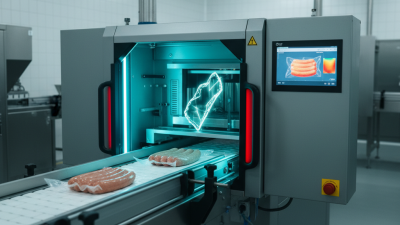
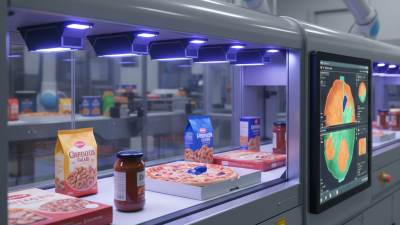
In today's food industry, safety is paramount. One key technology ensuring this safety is the food x ray machine. These machines play a vital role in detecting contaminants and foreign objects in food products. By using advanced imaging technology, they provide a reliable way to inspect food items before they reach consumers.
The importance of food x ray machines cannot be overstated. They help prevent harmful objects, such as metal fragments or glass shards, from making their way into meals. Workers often rely on their effectiveness. Yet, some may overlook their potential limitations. For example, certain densities might not be detected, leading to unexpected safety issues.
It is essential to recognize the importance of regular maintenance and calibration of these machines. Proper functioning is crucial for achieving optimal results. Without consistent checks, a food x ray machine might miss critical threats, compromising food safety. As technology evolves, the food industry's commitment to safety must continually adapt, ensuring that no aspect is neglected.
Understanding the Basics of Food X-Ray Machines
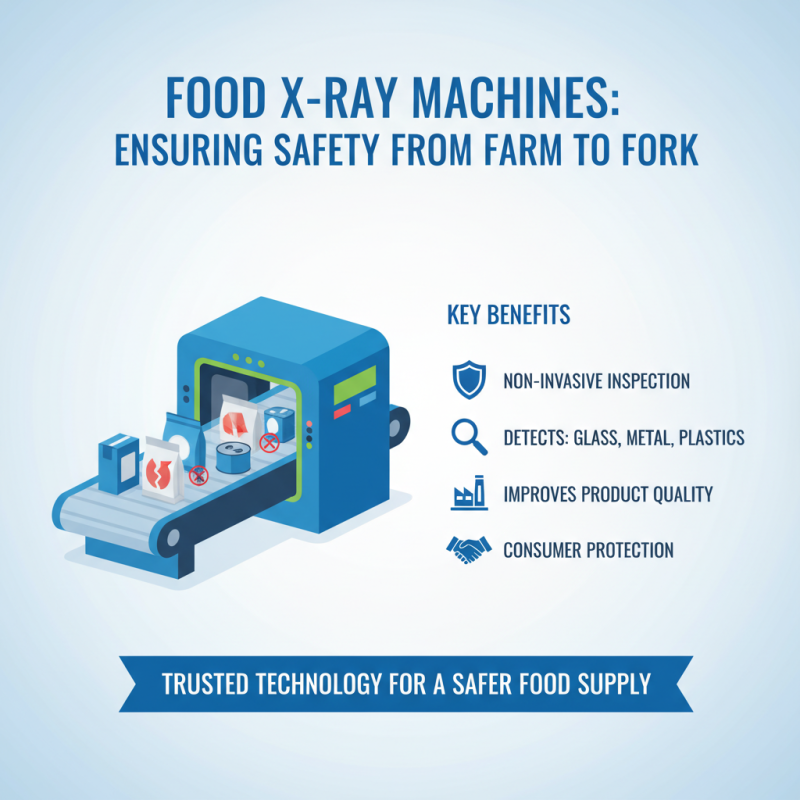
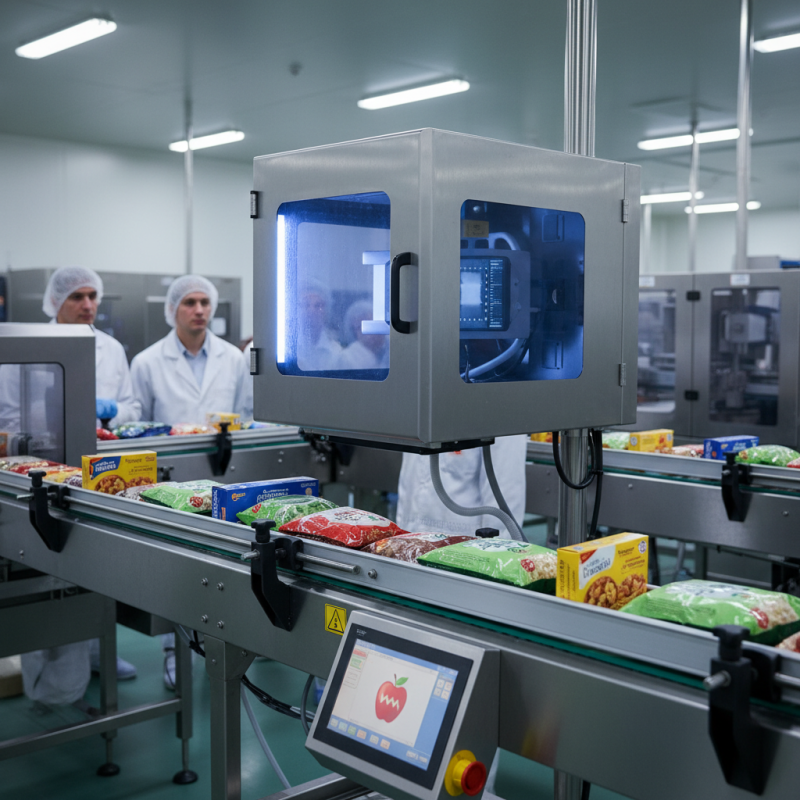
Food X-ray machines are increasingly vital in ensuring safety within the food industry. These machines work by providing a non-invasive method to inspect packaged food products. They effectively detect contaminants such as glass, metal, and certain plastics that may compromise food safety. By using X-ray technology, manufacturers can make informed decisions to keep consumers safe.
Understanding how these machines function is crucial. They emit X-rays that pass through food products. The sensors capture the images of the products, highlighting any foreign objects. However, not all X-ray machines are created equal. Some may struggle with specific materials or dense packaging. This raises concerns about their effectiveness in certain scenarios. Regular maintenance and calibration are not always prioritized, leading to inconsistencies in performance.
Moreover, it’s essential to acknowledge that reliance on X-ray inspections has its drawbacks. Human oversight remains necessary, as machines can miss subtle defects. Companies often need to balance technology use with manual inspections. This dual approach can help maintain safety standards while mitigating potential risks. The integration of X-ray machines into the food industry is a step forward, but continuous evaluation is key to maximizing their benefits.
How Food X-Ray Machines Enhance Food Safety Standards
Food X-ray machines play a crucial role in improving food safety standards. They detect foreign objects, ensuring that contaminants do not enter the food supply chain. According to a report by the Food Safety and Inspection Service, food contamination incidents can cost manufacturers millions annually. X-ray technology drastically reduces these risks.
These machines can identify metals, glass, and other harmful materials within packaging. The detection rate can exceed 99%, ensuring a high level of safety. Regular maintenance is necessary. Sometimes, machines may require recalibration after heavy use. This can lead to missed detections, potentially risking consumer safety.
Tip: Regularly inspect the performance of your X-ray machines. Use standardized testing methods to ensure they operate optimally.
Investing in food X-ray technology can enhance safety protocols. However, one must be mindful of the costs and practicality. Not every operation may afford advanced machines. Smaller companies may struggle to implement these safety measures. Balancing safety with operational costs is vital.
Tip: Consider phased investments in technology. Start with essential safety upgrades before expanding capabilities.
Applications of Food X-Ray Technology in the Food Industry
Food X-ray technology plays a crucial role in the food industry, ensuring consumer safety and quality control. This method helps detect contaminants such as metals, glass, and plastic. According to industry reports, around 70% of food recalls are due to physical contamination. This alarming figure emphasizes the need for efficient inspection methods in food processing.
Implementing X-ray machines significantly improves safety. They can inspect packaged items at high speeds, making them ideal for high-volume processing environments. In a recent survey, approximately 80% of quality control managers noted that X-ray technology reduced contamination issues in their facilities. It’s an essential tool for preventing product recalls and maintaining brand reputation.
Tip: Regularly calibrate your X-ray machines to ensure optimal performance. Proper maintenance can avoid false positives, which might lead to unnecessary interruptions in production.
Another vital aspect is the adaptability of X-ray machines. They cater to various food products, from meat to baked goods. However, some machines struggle with certain packaging materials. This limitation prompts the need for ongoing evaluation and improvement.
Tip: Train your staff to recognize the limitations of the machines to maximize their efficiency. Understanding potential issues can help in making informed decisions.
Key Features and Technologies of Food X-Ray Machines
Food X-ray machines play a crucial role in ensuring food safety. These devices are designed to detect foreign objects within packaged food. They use advanced imaging technology to reveal hidden contaminants, such as metal, glass, or plastic. This capability prevents potential hazards in food products.
One key feature is the high-resolution imaging. It allows for detailed inspection, ensuring that no foreign materials are overlooked. Additionally, some machines come with automatic rejection systems. When a contaminated item is detected, it is automatically removed, reducing the risk of human error. These machines can scan at high speeds, making them efficient for food processing lines.
However, these systems are not flawless. Sometimes, certain objects may go undetected due to their size or material properties. Also, there is a need for regular maintenance and calibration. Emphasizing training for operators is vital to enhance the effectiveness of the machines. Proper utilization plays a critical role in achieving optimal results.
Understanding Food X Ray Machines and Their Importance in Safety
| Feature |
Description |
Importance |
| Detection Sensitivity |
Ability to identify foreign objects in food products at various sizes. |
Ensures consumer safety by preventing contamination from defects. |
| Image Quality |
High-resolution images that enable clear visibility of contents. |
Allows for accurate assessment and faster decision-making. |
| Speed of Operation |
Rapid scanning capabilities to maintain production efficiency. |
Minimizes downtime and improves throughput in food processing. |
| User Interface |
Intuitive design for ease of use and quick training. |
Reduces training time and enhances operational efficiency. |
| Compliance Standards |
Meets regulatory requirements for food safety. |
Ensures legal compliance and maintains company reputation. |
Regulatory Guidelines and Compliance for Food X-Ray Usage
Food X-ray machines play an essential role in ensuring the safety and quality of food products. These devices help detect foreign objects, contaminants, and other defects that could jeopardize consumer health. It is critical to comply with regulatory guidelines when using such machines. These regulations help standardize inspections and improve food safety protocols across the industry.
Compliance is not only about meeting legal requirements but also about maintaining trust with consumers. Companies must regularly train staff on the proper use of x-ray systems. Safety measures, such as routine calibration of machines, are necessary to ensure accurate results. Yet, not all organizations invest enough effort in these areas. Some may overlook the importance of tracking compliance records or might misinterpret specific regulations.
Moreover, there’s often pressure to maximize efficiency and minimize costs. This can lead to corners being cut, potentially compromising safety. Regular audits can help reinforce adherence to guidelines. Inspections should be thorough, but companies may hesitate to criticize their procedures. Ultimately, this reflects a need for continuous improvement in food safety practices to bolster consumer confidence.