BLOG

Top 10 Food X-Ray Machine Prices and Insights for 2023: A Comprehensive Guide

In the ever-evolving landscape of food safety and quality control, understanding the financial investment associated with food x-ray machines is crucial for businesses aiming to uphold high standards. With the rising emphasis on eliminating contaminants and ensuring product integrity, the significance of knowing the appropriate food x-ray machine price has become more pronounced. Industry expert Dr. Sarah Thompson, a leading authority in food safety technology, stated, “Investing in quality x-ray systems is not just about equipment; it's about safeguarding consumer trust and brand reputation.”

Top 10 Food X-Ray Machine Prices and Insights for 2023: A Comprehensive Guide

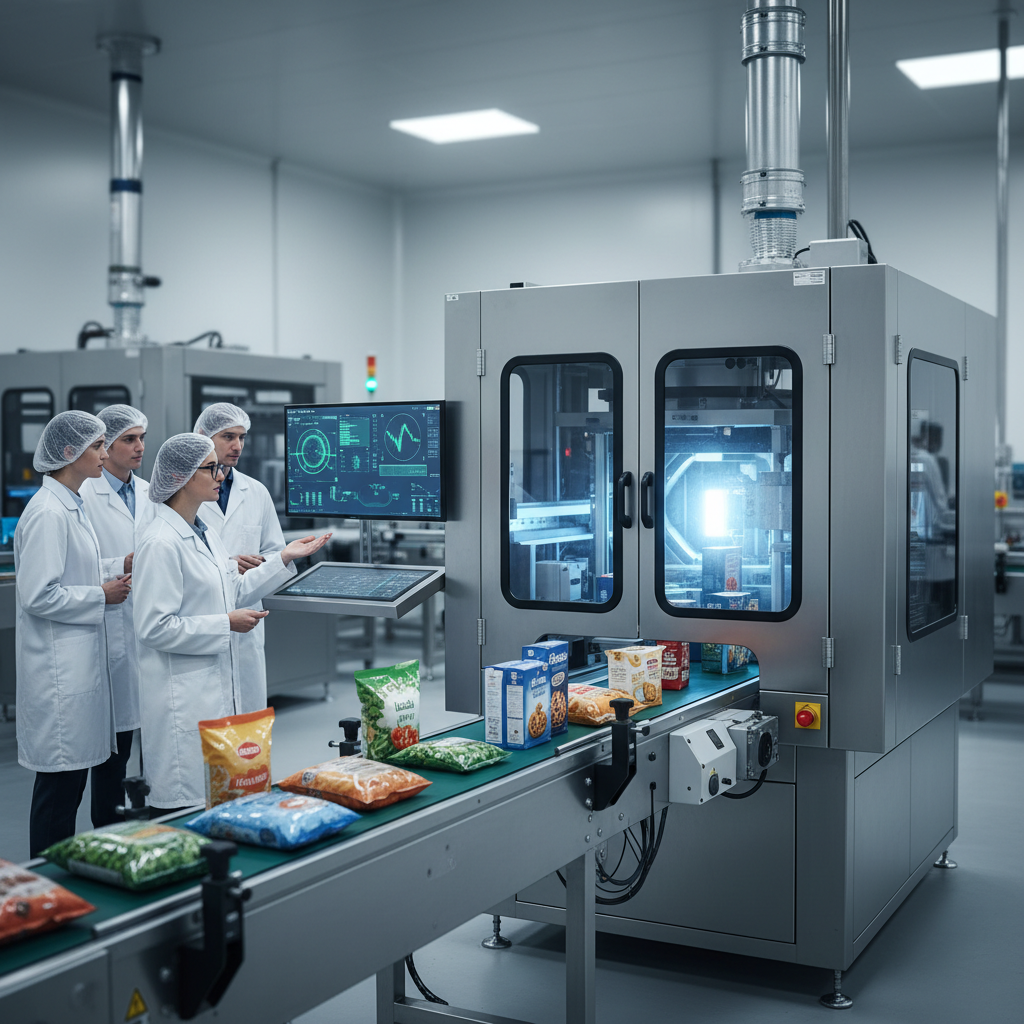
As we delve into the top 10 food x-ray machine prices for 2023, this comprehensive guide aims to illuminate the key factors influencing the costs and what businesses can expect when investing in such advanced technologies. With insights drawn from experts and market analysis, we offer a thorough overview of the price ranges, features, and benefits of food x-ray machines to empower organizations in making informed purchasing decisions. Whether you are a small-scale producer or a large manufacturing entity, understanding the financial elements behind these essential tools will help streamline operations and enhance product safety practices.

Top Trends in Food X-Ray Machines: Cost Analysis and Technological Advancements
Top 10 Food X-Ray Machine Prices and Insights for 2023: A Comprehensive Guide

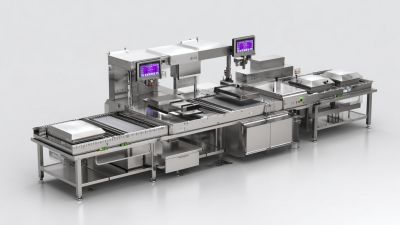
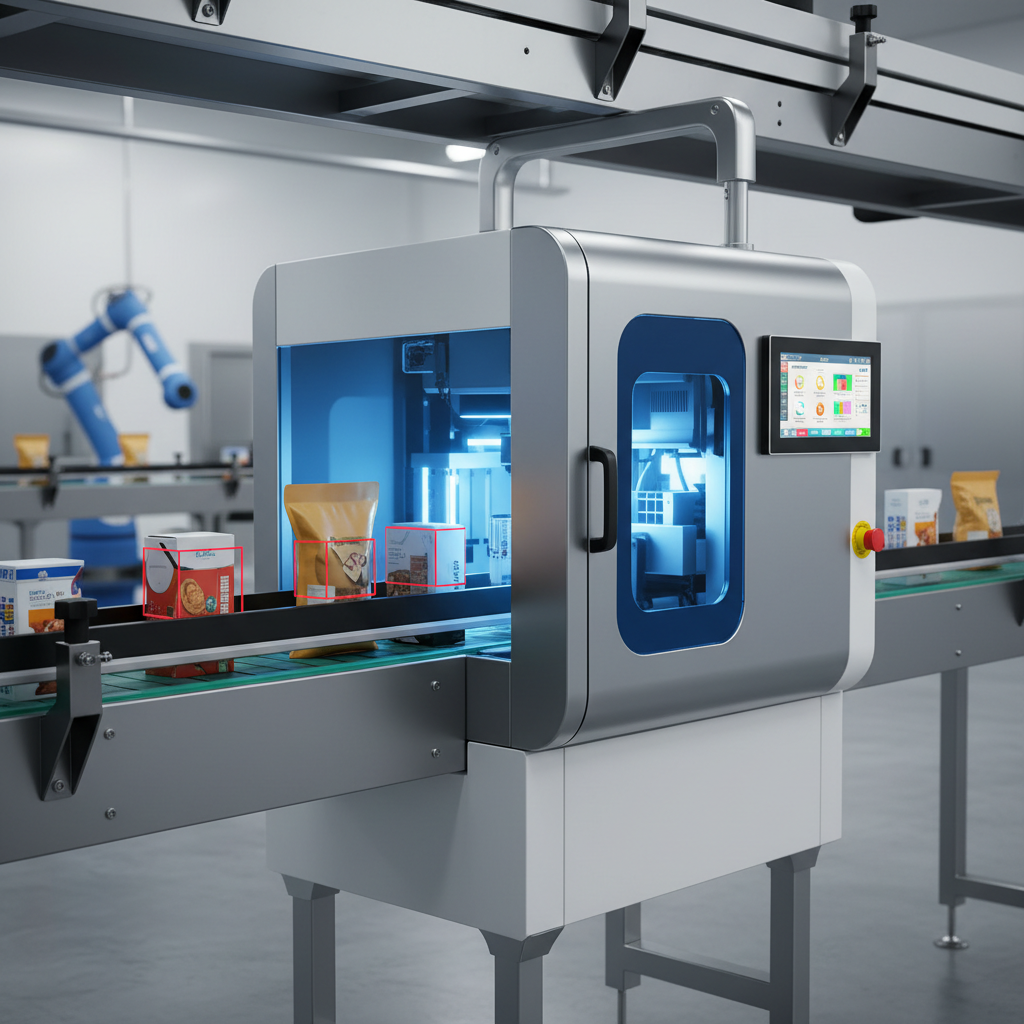
In recent years, the food industry has witnessed significant advancements in X-ray machine technology aimed at enhancing food safety and quality control. One of the key trends discerned in 2023 is the shift towards more compact and user-friendly designs, which facilitate easier integration into existing production lines. These machines not only offer superior detection capabilities for foreign contaminants but also optimize operational efficiency by reducing downtime and maintenance costs.

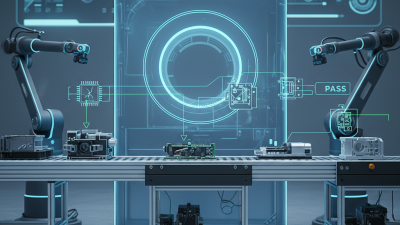
Another notable trend is the incorporation of artificial intelligence (AI) and machine learning into food X-ray systems. These technologies enhance the accuracy of detection and classification of defects while allowing for real-time monitoring and data analysis. As manufacturers seek to comply with stringent food safety regulations, the demand for advanced X-ray machines equipped with these cutting-edge technologies has surged, driving innovation and influencing pricing structures in the market.

Cost analysis reveals a broad spectrum of prices driven by features and capabilities, but the investment in a highly equipped X-ray system is increasingly viewed as essential for maintaining a competitive edge in the industry. Companies are increasingly recognizing that the upfront costs can be offset by reduced risk of recalls, enhanced consumer trust, and ultimately, a stronger market presence.
Breakdown of Food X-Ray Machine Prices by Brand and Model Data for 2023

The food X-ray machine market is witnessing notable advancements as facilities seek reliable methods for ensuring product safety and quality. By 2024, the global X-ray inspection system market is projected to reach $2.50 billion, with an estimated growth to $3.85 billion by 2032, reflecting a compound annual growth rate (CAGR) of 5.7%. This growth is largely driven by the increasing need to detect internal defects within food products and enhance overall quality assurance processes.

Recent innovations include the use of AI for non-destructive internal disorder segmentation in fruits, particularly pears. This technology helps in precisely quantifying internal defects, which is a significant challenge in food quality inspection. Additionally, the introduction of spectral X-ray cameras marks a pioneering step in identifying contaminants, such as plastics, in food products, thereby boosting consumer safety.

**Tips:** When investing in a food X-ray machine, consider evaluating various brands and models based on specific operational needs. Look for advanced features such as AI capabilities and effective contamination detection technologies, as these can significantly enhance inspection accuracy and efficiency in your facility. Upgrading to the latest technology could also provide a competitive edge in the industry.

Comparative Analysis: ROI on Food X-Ray Machines vs. Traditional Inspection Methods

In the realm of food safety and quality control, the choice between food X-ray machines and traditional inspection methods is nuanced and requires careful consideration of ROI. Food X-ray systems offer a distinct edge in detecting foreign objects, ensuring compliance with stringent safety standards. Their ability to identify contaminants—such as metal, glass, and plastics—within sealed packaging significantly reduces the risk of product recalls and associated financial losses. Furthermore, these machines provide detailed analytics that can streamline operational processes, enhancing overall productivity.

On the other hand, traditional inspection methods, like metal detectors and manual checks, may have lower initial costs but often compromise on efficiency and accuracy. While they may suffice for detecting specific types of contaminants, they lack the comprehensive screening capabilities of X-ray systems. In terms of long-term investment, the enhanced detection and reduced liability associated with food X-ray machines can lead to better brand reputation and customer trust, ultimately resulting in higher returns. Thus, businesses must weigh the initial expenditures against the potential savings and benefits of advanced technology to determine the most effective approach to food safety.

Key Features to Consider When Purchasing Food X-Ray Machines in 2023

When considering the purchase of food X-ray machines in 2023, it's essential to focus on key features that can greatly enhance operational efficiency and safety. A thorough assessment of factors such as image quality, throughput, and detection capabilities can influence both the performance and the intended application of the machine. According to industry data, the global X-ray inspection system market is projected to expand from $2.50 billion in 2024 to $3.85 billion by 2032, reflecting a compound annual growth rate (CAGR) of 5.7%. This growth underscores the increasing importance of high-quality food safety inspection tools.

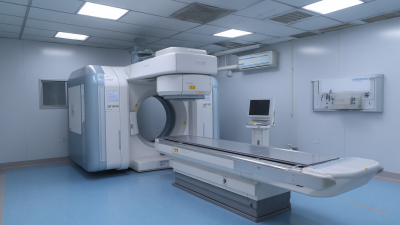
Another vital consideration is compliance with safety regulations and standards. The investment in advanced X-ray machines not only ensures compliance but also helps in detecting foreign materials, ensuring that products are safe for consumption. With the medical X-ray market valued at $14.24 billion in 2023 and expected to grow significantly, staying abreast of technological advancements can provide a competitive edge in the food industry.

**Tips:** When evaluating food X-ray machines, prioritize systems with user-friendly interfaces and robust customer support. Additionally, consider the long-term costs associated with maintenance and operation to ensure a sustainable investment. Lastly, seeking machines with high detection sensitivity will ultimately enhance food safety and reduce product recalls.

Top 10 Food X-Ray Machine Prices and Insights for 2023

Model Price (USD) Key Features Detection Sensitivity Weight (lbs)
Model A $25,000 High-resolution imaging, Multi-segment inspections 10µm 150
Model B $30,000 Real-time detection, Compact design 8µm 120
Model C $18,500 Automated error correction, Fast scanning 12µm 110
Model D $22,000 User-friendly interface, High durability 9µm 140
Model E $27,500 Integrated software, Customizable settings 11µm 160
Model F $32,000 Wireless connectivity, Multi-language support 7µm 115
Model G $20,000 Portable design, High-speed analysis 10µm 90
Model H $29,000 Flexible configurations, Long battery life 6µm 150
Model I $21,500 Advanced imaging software, Ergonomic design 9µm 125
Model J $26,000 High throughput, Simple maintenance 10µm 140

Future Projections: Expected Changes in Food X-Ray Technology Pricing by 2025

Top 10 Food X-Ray Machine Prices and Insights for 2023: A Comprehensive Guide

As we delve into the future of food X-ray technology, projections indicate that pricing trends will experience notable shifts by 2025. Driven by advancements in technology and increased demand for food safety, the cost of X-ray machines is expected to undergo fluctuations. Manufacturers are investing heavily in research and development to enhance image clarity, detection capabilities, and overall efficiency, which could initially lead to increased prices. However, as more competitors enter the market and production processes become streamlined, we may see a subsequent decrease in costs for consumers.

Additionally, factors such as regulatory changes and consumer awareness regarding food safety are anticipated to play a critical role in shaping pricing strategies. As industries prioritize compliance with stricter safety standards, the investment in X-ray technology may rise, potentially reflecting in the pricing structure. However, with the integration of artificial intelligence and big data analytics into food X-ray systems, businesses might find more cost-effective solutions that not only meet but exceed regulatory requirements, thus affecting overall market prices positively by 2025.