Why X Ray Inspection Systems Are Essential in Modern Industry?
In today's modern industry, quality control is paramount. X ray inspection systems play a critical role in achieving this goal. These systems allow manufacturers to detect flaws in a variety of materials before products reach consumers. From aerospace components to medical devices, the implications are vast.
Imagine a world where a small defect in a vital part goes unnoticed. The consequences could be dire. X ray inspection systems help prevent such scenarios. They enhance safety and reliability in production. These systems provide real-time insights, allowing for immediate corrective actions.
However, relying solely on technology can be a double-edged sword. Human oversight is still essential. Systems can fail or misread data. Regular maintenance and calibration are crucial for accuracy. The balance between automation and manual checks is a constant challenge. As industries evolve, the need for effective inspection systems is undeniable.
The Evolution of X-Ray Inspection Systems in Industry
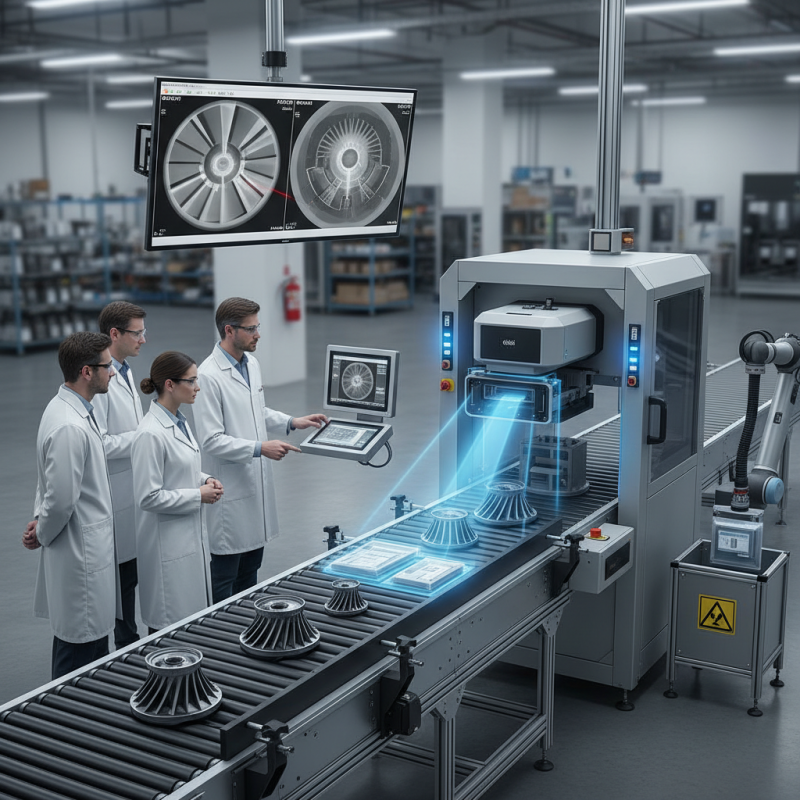
X-ray inspection systems have transformed industrial practices over the years. Initially used in healthcare, these systems found a place in various industries. Today, they are vital for quality control and safety. The shift began with manual inspections. Gradually, automation and advanced imaging techniques emerged. Modern systems offer detailed views of products without causing harm.
Tips: Regularly calibrate your X-ray systems for accuracy. Maintenance ensures reliable performance.
The benefits are clear. X-ray technology detects defects that are invisible to the naked eye. It reveals flaws in materials, from tiny cracks to larger structural issues. Yet, challenges remain. Operators must be skilled. Misinterpretation of images can lead to costly mistakes.
Tips: Invest in training for your team. A knowledgeable operator enhances accuracy.
As industries evolve, so does the technology. New advancements promise better precision and speed. Continuous improvement is necessary, as it’s crucial to adapt to changing demands. Ultimately, embracing these systems will shape a safer industrial future.
Evolution of X-Ray Inspection Systems in Modern Industry
Key Benefits of X-Ray Inspection in Manufacturing Processes
X-ray inspection systems play a crucial role in modern manufacturing. These systems allow for non-destructive testing. They reveal hidden flaws in materials and components. This capability is essential for ensuring product quality.
One key benefit is increased safety. X-ray inspection can identify potential hazards. For instance, it detects foreign objects in food packaging. This can prevent serious health risks for consumers. Additionally, it streamlines the production process. Issues can be caught early, reducing waste and saving costs.
However, integrating these systems presents challenges. Staff requires training to use the technology effectively. Misinterpretation of X-ray images is possible. Regular maintenance is critical to ensure accuracy. Despite these drawbacks, the advantages often outweigh the difficulties. Manufacturers must reflect on their processes and embrace innovation to stay competitive.
Applications of X-Ray Inspection in Quality Control
X-ray inspection systems play a pivotal role in ensuring quality control across various industries. These systems help detect internal defects that are invisible to the naked eye. For instance, a report from the International Journal of Advanced Manufacturing Technology indicates that up to 30% of manufactured components may have critical flaws. Without reliable inspection methods like X-ray, these defects can lead to significant safety risks and costly recalls.
In the automotive industry, X-ray inspection is widely used to verify weld integrity and component assembly. According to a study by the American Society for Nondestructive Testing, X-ray systems can improve defect detection rates by 50% compared to conventional methods. This enhances product reliability. However, challenges remain. Operators sometimes misinterpret X-ray images, leading to missed detection of flaws. Continuous training is essential to mitigate such issues.
Electronics manufacturing also benefits significantly from X-ray inspections. These systems can reveal hidden solder joint issues, which can lead to component failure. Reports suggest that up to 20% of electronic failures are due to solder defects. Investing in better training and updated technology can help address these realities. Seeing more clearly is crucial, but interpretation is just as important.
Regulatory Standards and Compliance for X-Ray Inspection Systems
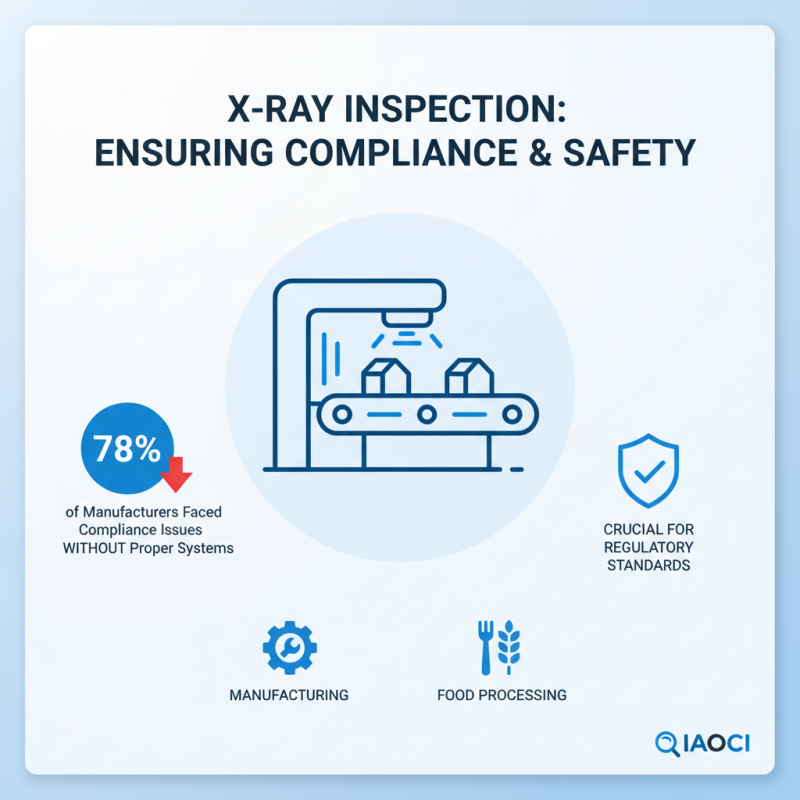
X-ray inspection systems are crucial in various industries, especially in manufacturing and food processing. They help ensure compliance with stringent regulatory standards. According to a recent report by the International Association of Certified Inspectors, 78% of manufacturers experienced compliance issues without proper inspection systems. This statistic highlights the importance of having reliable X-ray technology in place.
Companies must often adhere to regulatory requirements, such as those from the FDA and ISO. For instance, the FDA mandates that food products be free from contamination. Failure to meet these standards can result in significant financial penalties and reputational damage. Additionally, about 30% of companies reported recalls due to inadequate inspection measures. This calls for a more robust approach to quality control, making X-ray systems indispensable.
**Tip:** Regularly train staff on the latest inspection technologies. Keeping your team informed can significantly reduce errors.
Achieving compliance is not solely about passing inspections. It requires ongoing maintenance and calibration of X-ray equipment. Neglecting this aspect can lead to inaccurate results. A survey indicated that 45% of businesses faced operational downtime due to malfunctioning inspection systems. Investing in reliable technology and training is essential to prevent such issues.
**Tip:** Invest in a preventative maintenance schedule for your X-ray inspection systems. This helps prevent unexpected breakdowns and ensures continuous compliance.
Future Trends and Innovations in X-Ray Inspection Technologies
X-ray inspection technologies are evolving rapidly. Industries are leaning towards more advanced systems. These innovations enhance accuracy and efficiency in quality control. Precision is crucial, especially in manufacturing. The latest developments include AI integration, improving defect detection rates. Smart algorithms analyze images swiftly. They highlight imperfections that might go unnoticed.
Another exciting trend is portability. Compact X-ray machines are becoming more common. They allow inspections on-site, saving time and resources. With smaller equipment, flexibility increases. However, this raises questions about calibration and reliability. Will portable units maintain the same accuracy as larger systems?
Finally, automation in operations is another innovation. Automated X-ray inspections can work around the clock. This leads to increased productivity but also potential over-reliance on machines. Manual checks still play a vital role in ensuring safety. Balancing automation and human oversight remains a challenge for many industries. Keeping the human element is essential in the age of technology.
Why X Ray Inspection Systems Are Essential in Modern Industry? - Future Trends and Innovations in X-Ray Inspection Technologies
| Dimension |
Description |
Current Trend |
Future Innovation |
| Accuracy |
High precision imaging for defect detection. |
Increased resolution through advanced detectors. |
Integration of AI for enhanced image analysis. |
| Speed |
Rapid scanning capabilities for high throughput. |
Real-time imaging for immediate quality assurance. |
Automated systems for continuous inspection. |
| Versatility |
Applicable across various industries including automotive and aerospace. |
Adoption in niche markets like electronics. |
Development of portable X-ray systems for field use. |
| Cost-Effectiveness |
Reduction in manufacturing defects leads to savings. |
Increasing use of X-ray in routine inspection processes. |
Higher efficiency with lower energy consumption X-ray sources. |
| Regulatory Compliance |
Ensuring products meet safety and quality standards. |
Stricter regulations driving technology adoption. |
Blockchain integration for record keeping and traceability. |