Top 10 Essential Tips for Effective Food Inspection Systems You Need to Know
In today's rapidly evolving food industry, the significance of robust food inspection systems cannot be overstated. These systems serve as the backbone of food safety, ensuring that the products reaching consumers are not only safe to eat but also meet the necessary quality standards. As various foodborne illnesses and safety concerns continue to emerge, it has become imperative for organizations to implement effective inspection systems that mitigate risks and protect public health.
This article aims to provide you with the top 10 essential tips for creating and maintaining successful food inspection systems. By adhering to these guidelines, food businesses can enhance their compliance with safety regulations and improve operational efficiencies. Furthermore, understanding the intricacies of food inspection systems fosters a culture of accountability and vigilance within organizations, ultimately leading to higher consumer trust and satisfaction. As we delve into these critical tips, you will gain valuable insights into how to construct a comprehensive inspection framework that caters not only to quality control but also to proactive risk management.

Understanding the Importance of Food Inspection Systems in Public Health
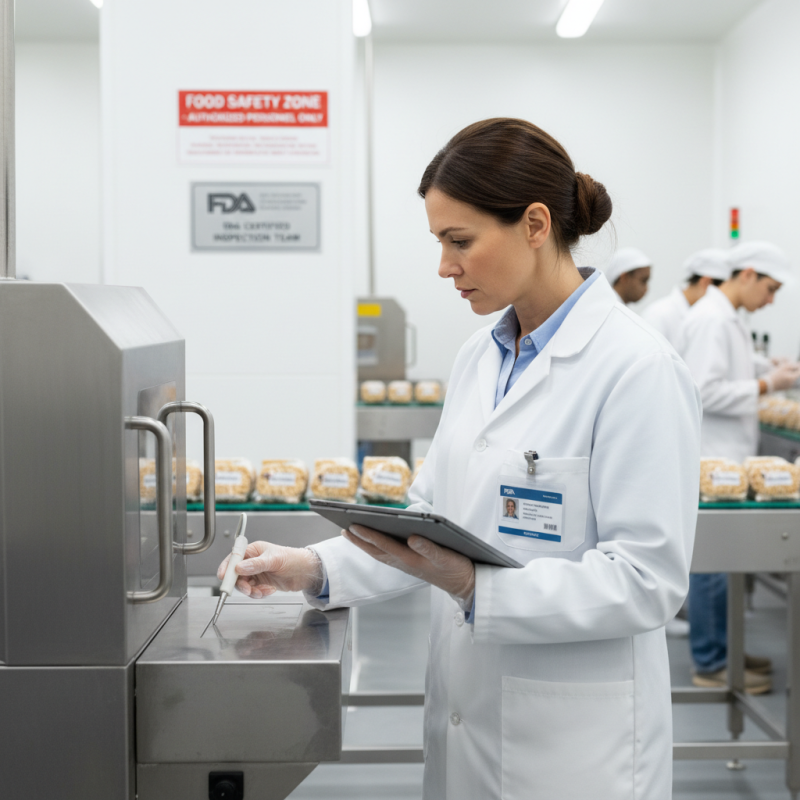
Food inspection systems play a crucial role in safeguarding public health by ensuring that food products are safe for consumption. These systems are essential for identifying and controlling hazards that may arise during food production, processing, and distribution. By systematically evaluating food establishments, inspectors can detect violations of health and safety regulations, thereby minimizing the risk of foodborne illnesses. The importance of these inspections extends beyond immediate health benefits; they also contribute to consumer confidence in the food supply, ultimately reinforcing the integrity of the entire food industry.
Furthermore, effective food inspection systems foster a culture of compliance among food businesses. When operators understand the scrutiny their products face, they are more likely to adhere to safety standards, maintain proper hygiene practices, and implement the necessary protocols to protect public health. This proactive approach not only helps prevent outbreaks of foodborne diseases but also encourages continuous improvement in food safety practices. In an interconnected world where food can be sourced from multiple regions, a robust inspection system is indispensable for maintaining high standards and ensuring that public health remains a priority in the ever-evolving landscape of the food industry.
Key Regulations and Standards Governing Food Safety Inspections
Effective food inspection systems are critical in ensuring food safety and maintaining public health. Compliance with key regulations and standards is essential for the prevention of foodborne illnesses, which affect an estimated 48 million people in the U.S. each year, according to the Centers for Disease Control and Prevention (CDC). The Food Safety Modernization Act (FSMA) emphasizes the importance of proactive measures rather than reactive responses to food safety issues, highlighting the need for robust inspection systems that align with federal and state guidelines.
To create an effective food inspection framework, implementing certain best practices is necessary. First, ensure that staff are thoroughly trained on both local and national food safety regulations. It's crucial to keep inspection protocols updated in line with the latest scientific research and technological advancements. Research from the International Food Safety Network indicates that routine training can improve compliance rates by over 25%. Another critical tip is to leverage technology; data analysis tools can enhance the monitoring process and allow inspectors to identify potential risks more efficiently.
Regular audits of the food safety management system can also drive improvements in inspection protocols. By consistently reviewing and assessing processes against standards set by the FDA and the USDA, organizations can pinpoint deficiencies and areas for enhancement. A report by the Food Safety and Inspection Service states that facilities maintaining a rigorous self-audit schedule reported a 34% decrease in compliance issues. By prioritizing these strategies, businesses can not only comply with regulations but also promote a culture of safety and quality within the food supply chain.
Essential Techniques for Conducting Thorough Food Inspections
Conducting thorough food inspections requires a systematic approach that emphasizes attention to detail and adherence to established guidelines. One essential technique is developing a comprehensive checklist tailored to the specific types of food products being inspected. This checklist should cover critical areas such as temperature control, hygiene practices, and the condition of storage facilities. By utilizing a structured checklist, inspectors can ensure that no vital aspect is overlooked, facilitating a more effective evaluation process.
Another important technique in food inspections is training and continuing education for inspectors. Regularly updating knowledge about food safety standards and emerging risks helps inspectors remain vigilant and informed about best practices. Participatory training sessions that simulate real inspection scenarios can also enhance critical thinking and problem-solving skills, allowing inspectors to react appropriately in diverse situations. With effective training, inspectors can better identify potential hazards and ensure compliance, reinforcing the integrity of the food supply chain.
Top 10 Essential Tips for Effective Food Inspection Systems
This chart illustrates the key factors influencing effective food inspection systems based on a survey of industry professionals. The data highlights the importance of various techniques in ensuring food safety.
Utilizing Technology and Data Analysis to Enhance Inspection Efficiency
In today's fast-paced food industry, leveraging technology and data analysis has become a cornerstone for enhancing inspection efficiency within food inspection systems. By implementing advanced technologies such as artificial intelligence and machine learning, inspectors can automate routine processes, allowing for quicker identification of potential hazards and compliance issues. This not only streamlines the inspection process but also reduces human error, leading to more reliable outcomes. Additionally, mobile applications equipped with real-time data collection can ensure that inspectors have immediate access to critical information, enabling them to make informed decisions on-site.
Data analysis plays a crucial role in transforming the way inspections are conducted. By utilizing robust data analytics tools, organizations can aggregate and interpret large volumes of inspection data to identify trends and recurring issues. This proactive approach allows food safety officials to address problems before they escalate, leading to improved safety standards and reduced risk of foodborne illnesses. Moreover, by integrating historical data with predictive analytics, food inspection systems can anticipate potential challenges, thus facilitating a more efficient allocation of resources and prioritization of inspections based on risk levels. Ultimately, the combination of technology and data analysis fosters a dynamic and responsive inspection framework that is essential for maintaining high food safety standards.
Training and Certification Requirements for Food Inspection Personnel
Effective food inspection systems are crucial for ensuring food safety and public health. A significant aspect of these systems is the training and certification requirements for food inspection personnel. According to the Food and Drug Administration (FDA), properly trained inspectors can effectively identify safety issues and ensure compliance with food safety regulations, reducing potential foodborne illnesses by up to 20%. Therefore, a robust training program is essential for all personnel involved in food inspections.
To bolster food safety, it is imperative to implement specific training and certification protocols. One of the key tips is to provide regular training sessions that cover the latest food safety standards and practices. This not only keeps inspectors updated but also enhances their ability to evaluate food establishments accurately. Additionally, certification programs should include practical inspections and simulations to build inspectors’ confidence and skill sets. Research shows that inspectors who receive hands-on training typically demonstrate 30% higher accuracy in identifying violations compared to those who undergo only theoretical training.
Another vital tip is to encourage continued education and professional development. The food safety landscape is constantly evolving, and inspectors must be knowledgeable about emerging risks and technologies. Providing access to workshops, seminars, and online courses can significantly enhance inspectors' competencies. In fact, reports indicate that organizations investing in training and development for their food inspectors see a 25% reduction in compliance violations, highlighting the importance of a well-informed and certified inspection staff.