BLOG

Top 10 Tips for Effective X Ray Food Inspection Systems to Ensure Safety

In the food industry, ensuring the safety and quality of products is paramount. As contamination and safety concerns continue to rise, X Ray Food Inspection Systems have emerged as a critical technology to maintain industry standards. According to Dr. Emily Carter, a renowned expert in food safety technology, "The implementation of X Ray Food Inspection Systems is essential in detecting foreign contaminants that could pose serious health risks to consumers." This highlights the importance of these systems not just as a regulatory measure, but as a commitment to public health and safety.

Effective use of X Ray Food Inspection Systems can significantly minimize risks by identifying contaminants that are often invisible to the naked eye. As we delve into the top ten tips for optimizing these systems, it becomes clear that they serve a dual purpose: enhancing product safety while also boosting operational efficiency. By adopting best practices, food manufacturers can ensure their products meet stringent safety standards, ultimately safeguarding consumers and enhancing brand reputation. In this article, we will explore actionable insights that can lead to the successful implementation and management of X Ray Food Inspection Systems in the food supply chain.

Top 10 Tips for Effective X Ray Food Inspection Systems to Ensure Safety

Understanding the Importance of X-Ray Food Inspection Systems
Top 10 Tips for Effective X Ray Food Inspection Systems to Ensure Safety

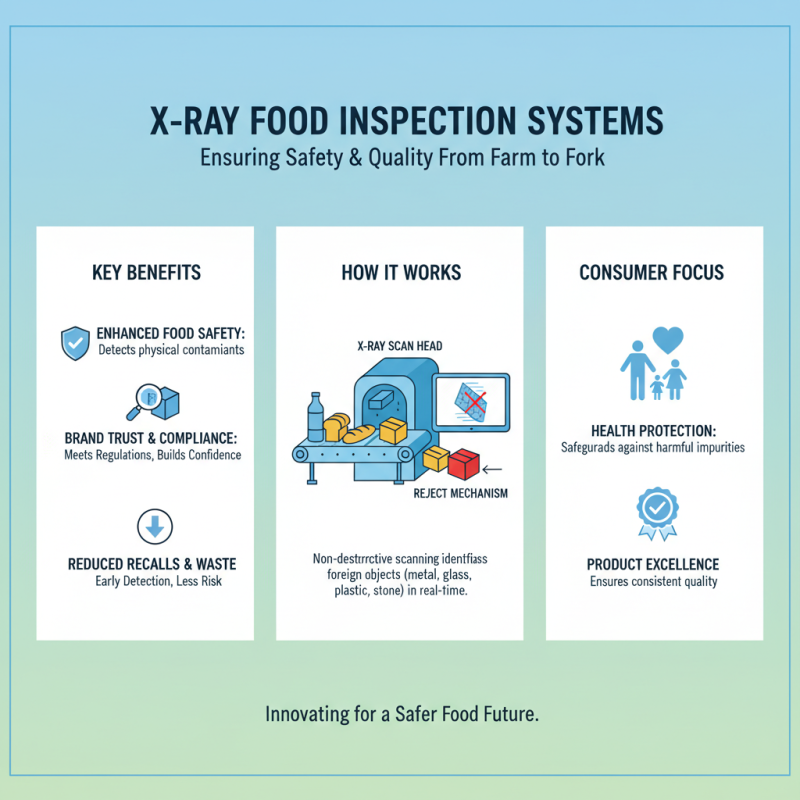
X-ray food inspection systems play a pivotal role in ensuring the safety and quality of food products in today’s market. As consumers become increasingly aware of food safety, the use of advanced technologies like X-ray inspection is crucial for detecting contaminants and ensuring compliance with health regulations. These systems provide a non-destructive method to identify foreign objects such as metal, glass, and plastic in food products, which can pose serious risks to consumer health. By utilizing X-ray technology, food manufacturers not only enhance product safety but also build trust with their customers.

The importance of X-ray inspection extends beyond mere compliance with safety standards; it acts as a preventive measure against potential disasters that could arise from contaminated food. Regularly implementing X-ray inspections in processing lines mitigates the risk of product recalls, which can be costly and damaging to a brand's reputation. Moreover, adopting X-ray technology can streamline operations, reducing the time spent on manual inspections. In a competitive food industry, ensuring the highest safety standards through effective X-ray inspection systems can ultimately lead to a stronger market position and increased consumer confidence.
Key Components of Effective X-Ray Inspection Technology

Top 10 Tips for Effective X Ray Food Inspection Systems to Ensure Safety

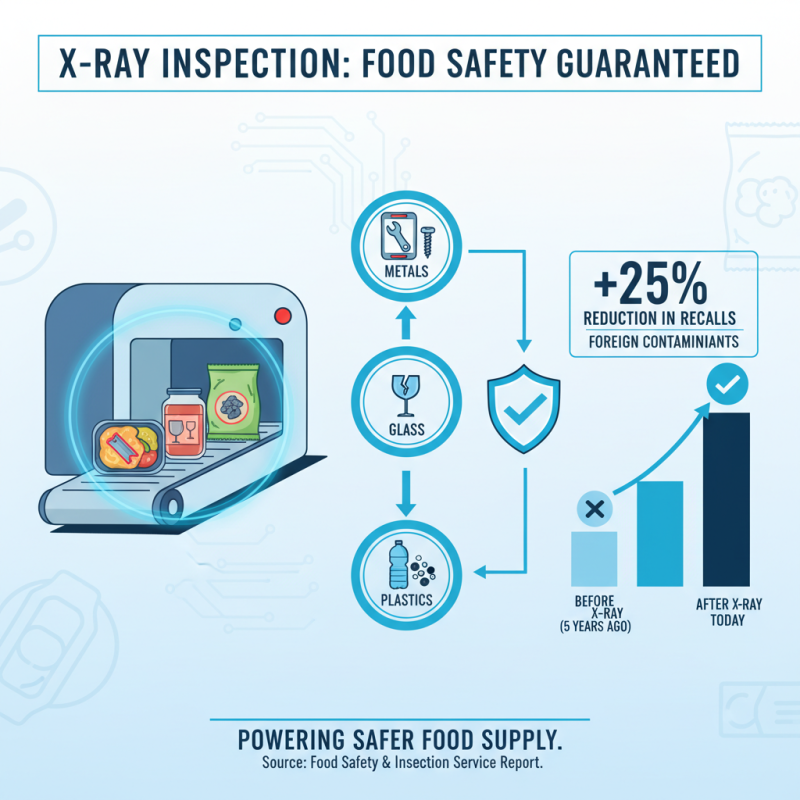
Effective X-ray inspection systems are essential in the food industry for ensuring product safety and compliance with health regulations. These systems rely on several key components that work together to identify contaminants and foreign objects within food products. A pivotal aspect of X-ray technology is the capability to detect a variety of materials, including metals, glass, and plastic, which can pose health risks. According to a report by the Food Safety and Inspection Service, the use of X-ray systems has significantly reduced the occurrence of foreign contaminants, leading to a 25% decrease in food recalls related to such issues over the past five years.

The performance of X-ray inspection systems heavily depends on the quality of the imaging technology, including high-resolution detectors paired with advanced algorithms. These systems must be calibrated regularly to maintain accuracy in detecting even the smallest foreign bodies in food items. A study by the International Journal of Food Science revealed that systems equipped with AI-enhanced image processing can enhance detection rates by up to 40%, ensuring higher levels of food safety. Additionally, user-friendly interfaces and real-time monitoring capabilities are crucial for effective operation, allowing personnel to respond quickly to any identified hazards and maintain compliance with industry standards.

Best Practices for Operating X-Ray Food Inspection Equipment

Operating X-ray food inspection equipment with effectiveness and efficiency is crucial for maintaining food safety and quality standards. Industry reports indicate that nearly 1 in 10 food products undergo some form of inspection to ensure they are free from contaminants and meet regulatory standards. To achieve this, it is essential to follow best practices that not only improve the operation of X-ray systems but also enhance the accuracy of inspections.

One significant practice is the regular calibration of X-ray equipment, which should be performed at least once a month. Calibration ensures that the machinery operates at optimal performance and produces reliable results. Furthermore, keeping the inspection area clean and free from debris can greatly reduce false positives, which studies show can occur in up to 15% of inspections. Training staff on proper usage techniques and safety protocols is another critical factor; research has demonstrated that well-trained personnel can improve inspection accuracy by over 30%, leading to higher food safety compliance rates.

Moreover, data from industry analyses indicate that integrating machine learning algorithms into X-ray systems can enhance detection capabilities, allowing for real-time feedback and adjustment. Facilities that invest in advanced technology reported a 25% increase in defect detection rates compared to those relying on traditional methods. Adopting these best practices not only safeguards consumers but also enhances operational efficiency and product integrity in the food supply chain.

Training Personnel for Optimal X-Ray Inspection Performance

Effective training of personnel in X-ray food inspection is critical to ensure optimal performance and safety in food processing environments. According to a report by the Food Safety and Inspection Service (FSIS), an estimated 48 million people in the U.S. are affected by foodborne illnesses each year, highlighting the necessity for rigorous inspection methods. To maximize the efficiency of X-ray systems, it is essential to equip staff with the requisite skills and knowledge to operate the technology effectively.

One essential tip for enhancing personnel training is the implementation of regular workshops and hands-on sessions, facilitating real-time practice with the X-ray equipment. A knowledgeable workforce is more adept at identifying potential hazards and ensuring compliance with safety standards. Additionally, investing in simulation tools can greatly enhance learning; a study indicated that practice simulations improve retention rates of critical safety protocols by up to 40%.

Moreover, ongoing performance evaluations and feedback loops ensure that personnel remain updated on the latest X-ray technology advancements and safety regulations. This not only reinforces their expertise but also fosters a culture of continuous improvement within the organization, essential for maintaining high-quality food inspection standards. Engaging employees in this manner could lead to a significant reduction in false positives, improving operational efficiency and overall food safety outcomes.

Top 10 Tips for Effective X Ray Food Inspection Systems

This chart illustrates the effectiveness of various training methods used to enhance X-Ray inspection performance in food safety. The data highlights the percentage of improvement observed in inspection accuracy and speed based on different training approaches.

Regulatory Standards and Compliance for Food Safety Inspections

In the realm of food safety, adhering to regulatory standards and compliance is paramount for effective X-ray food inspection systems. Regulatory bodies such as the Food and Drug Administration (FDA) in the United States and similar organizations worldwide establish stringent guidelines to ensure food products are safe for consumption. These regulations dictate not only the technical specifications of X-ray inspection systems but also the protocols for their operation, maintenance, and evaluation. Food manufacturers must keep abreast of these regulatory requirements to ensure their inspection practices meet established safety thresholds and can adequately identify contaminants such as metal, glass, and other foreign materials.

Compliance involves implementing best practices within food inspection processes. Regular training for staff operating X-ray systems is essential to familiarize them with the latest compliance standards and inspection techniques. Additionally, routine audits and calibrations of the X-ray machines should be scheduled to maintain their accuracy and reliability. Documentation of inspections, findings, and corrective actions is also crucial for traceability and accountability. By integrating these compliance measures into the X-ray inspection workflow, food producers can not only assure the safety of their products but also build credibility with consumers and regulatory authorities alike.

Top 10 Tips for Effective X Ray Food Inspection Systems to Ensure Safety

Tip Description Benefit Regulation Reference
1. Regular Calibration Ensure X-ray machines are calibrated according to manufacturer specifications. Enhances accuracy of inspections. FDA 21 CFR 211.68
2. Staff Training Provide comprehensive training for staff on operation and safety. Reduces error rates and improves safety. ISO 22000
3. Regular Maintenance Conduct routine maintenance on X-ray machines. Prevents breakdowns and ensures longevity. OSHA Standards
4. Quality Assurance Tests Implement QA testing protocols for inspection results. Increases reliability of inspection data. FDA HACCP Guidelines
5. Proper Documentation Maintain thorough records of inspections and calibrations. Facilitates compliance audits. ISO 19011
6. Use of Advanced Technology Incorporate the latest X-ray technology. Enhances detection capabilities. FDA Guidance Documents
7. Risk Assessment Protocols Conduct risk assessments for food items. Identifies potential hazards early. GFSI Framework
8. Regular Audits Schedule regular internal audits of inspection processes. Ensures ongoing compliance and improvement. ISO 9001
9. Collaboration with Experts Work with food safety consultants when necessary. Brings specialized knowledge to the table. FDA and WHO guidelines
10. Continuous Improvement Adopt a culture of continuous improvement in food safety. Aligns with best practices and industry standards. ISO 26000