BLOG
How to Choose the Best Busbar Processing Machine for Your Needs?
Choosing the right Busbar Processing Machine is crucial for efficiency in electrical work. Industry expert John Smith notes, “A well-selected machine not only enhances productivity but also ensures safety.” This insight highlights the importance of making informed choices.
When selecting a Busbar Processing Machine, consider factors such as your specific application and production volume. Not all machines are created equal. Some are designed for high-volume manufacturing, while others suit smaller operations. Finding the right fit can improve your workflow significantly.
Additionally, investing in a reliable machine can prevent costly downtime. Ensure you research different brands and models before purchasing. While newer models can offer advanced features, they may not always be necessary. Reflecting on your actual needs is vital for effective decision-making.
Understanding Busbar Processing Machine: Functionality and Importance
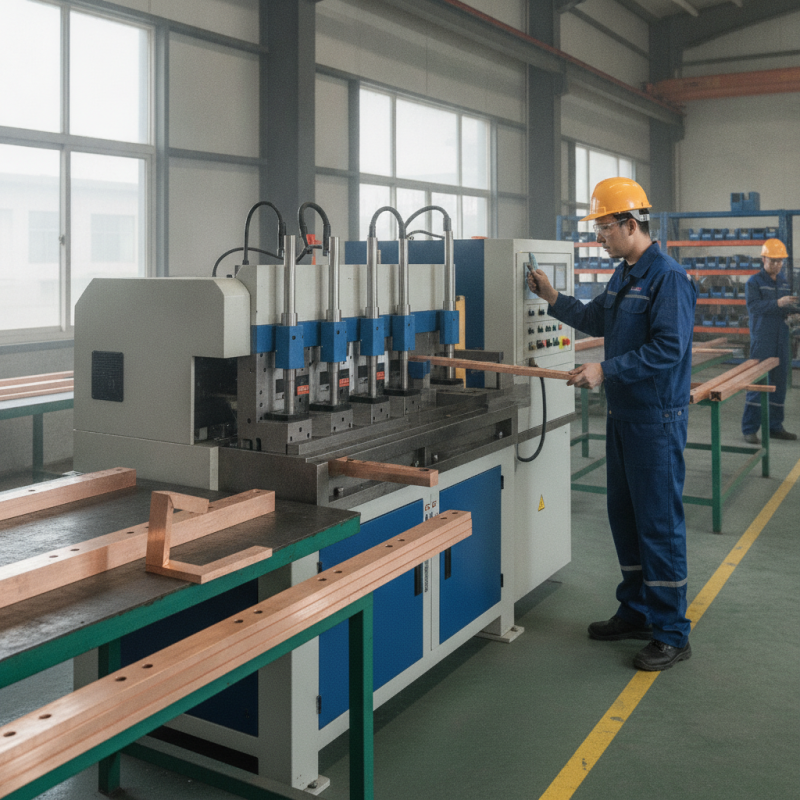
Busbar processing machines play a crucial role in electrical engineering. They are designed to fabricate busbars, which are essential components in power distribution systems. The functionality of these machines varies significantly. From cutting to bending, each process requires precision and reliability. Efficient busbar processing can enhance the performance of power systems.
Understanding the importance of these machines is vital. A well-processed busbar ensures lower resistance and improved conductivity. This directly affects energy loss and system efficiency. Companies must prioritize these factors when selecting machines. However, many overlook the intricacies involved in their operation. Even experienced technicians may find themselves challenged by the nuances of busbar processing.
Potential buyers often focus on specifications but may miss essential operational considerations. For example, some machines may excel at cutting but struggle with bending. This discrepancy can lead to downstream issues in assembly. It's important to reflect on the complete processing cycle. A detailed evaluation of all functionalities ensures a well-rounded choice that meets unique needs.

Key Considerations for Selecting the Right Busbar Processing Technology
Choosing the right busbar processing technology requires careful thought. Consider the specific production needs your business has. Think about the volume of busbars you need to process daily. Are you focusing on low or high quantities? Each scenario demands different machinery capabilities.
The versatility of the machine is another key factor. Different operations, like cutting, bending, and punching, may be required. A multi-functional machine can save time and space. However, it can also be more complex and costly. Simplicity in operation can sometimes outweigh the benefits of advanced features.
Additionally, evaluate your staff’s expertise. If operators lack experience, a complicated machine could lead to errors. Training is essential but often overlooked. Regular maintenance and support also need consideration. Machines that require frequent servicing can disrupt your workflow. Balancing these factors can help ensure you make a rational choice. Always reflect on your company's future needs as well.
Busbar Processing Machine Features Comparison
Comparing Busbar Processing Machine Specifications and Performance Metrics
When selecting a busbar processing machine, understanding specifications and performance metrics is crucial. Various reports indicate that precision and efficiency are top priorities in the industry. A recent study by the International Electrotechnical Commission notes that machines with higher processing speeds can boost productivity by up to 30%. This statistic underscores the need for evaluating speed capabilities in your choice.
Another significant aspect is the machine's cutting accuracy. According to the American National Standards Institute, machines that maintain a tolerance of ±0.1 mm are considered ideal for various applications. Investing in equipment that meets these specifications can minimize waste and enhance the overall quality of the output. Furthermore, energy efficiency cannot be overlooked. A report from the Energy Efficiency Association reveals that energy-efficient machines can reduce operational costs by as much as 20%.
While these metrics provide a solid basis, it’s essential to reflect on the specific needs of your projects. Not every machine will fit every task, and features such as ease of programming or material compatibility should also factor into your decision. Real-world usage might reveal discrepancies between machine claims and practical performance, making it vital to gather feedback from existing users before making a final choice.
Investment Factors: Cost vs. Efficiency in Busbar Processing Solutions
When selecting a busbar processing machine, cost and efficiency are crucial. The initial investment can be significant. However, low-cost machines may lead to higher operational costs over time. It's essential to evaluate the long-term expenses associated with maintenance and energy consumption. Sometimes, a higher upfront cost can result in better durability and performance.
Efficiency is equally vital. A machine that processes busbars quickly can increase your productivity. Consider the output rates and how they align with your production goals. Slower machines might save money initially but can delay project timelines. You might face increased labor costs and lost opportunities.
Make sure you analyze your specific needs. Not every machine fits every business. Some require complex processing; others prefer straightforward operations. Test different models if possible. A machine could seem ideal on paper but may not perform well in real-world applications. Reflections on past experiences are valuable. Learning from mistakes can guide you toward a smarter investment choice.
How to Choose the Best Busbar Processing Machine for Your Needs? - Investment Factors: Cost vs. Efficiency in Busbar Processing Solutions
| Feature | Description | Cost ($) | Efficiency Rating |
|---|---|---|---|
| Automatic Feed | Reduces manual handling with automated loading | 5000 | High |
| Precision Cutting | High accuracy in cutting busbars to specifications | 7500 | Very High |
| Bending Capability | Allows for different bending angles without manual effort | 6500 | Medium |
| Multi-Functionality | Supports cutting, bending, and punching in one machine | 12000 | Very High |
| Energy Consumption | Low energy usage with optimized operations | 4000 | High |
Future Trends in Busbar Processing Technology: Automation and Sustainability
Busbar processing technology is undergoing significant changes. Automation is a leading trend, allowing for greater precision and consistency in production. Machines equipped with advanced sensors can monitor and adjust operations in real time. This reduces waste and increases efficiency. Many companies see a boost in productivity due to these automated systems. However, adapting to such technology requires careful planning and training.
Sustainability is another critical focus for the future of busbar processing. Manufacturers are exploring eco-friendly materials and energy-efficient processes. There’s a push to minimize the environmental impact of production. Some companies are investing in recycling initiatives for busbar materials. This not only contributes to sustainability but also enhances corporate responsibility. However, the transition to sustainable practices can be challenging. It often requires upfront investments and long-term commitment.
Balancing automation and sustainability will shape the future of busbar processing. While automation enhances productivity, sustainability addresses environmental concerns. Businesses must navigate these aspects thoughtfully. Ongoing training and adaptation are necessary. The road to a fully automated and sustainable system is not without obstacles. Moreover, it often calls for reevaluating existing processes.