BLOG
How to Choose Stainless Carriage Bolts for Global Sourcing
Choosing Stainless Carriage Bolts for global sourcing is more than comparing prices in a supplier spreadsheet. A bolt that looks polished under warehouse lighting may still fail in a coastal installation. Grade, thread accuracy, head geometry, packaging, and traceability all affect the final result. As stainless steel specialist John Baddoo has observed, “Stainless steel is not a single material; it is a family of materials.” That distinction matters when selecting 304, 316, or another alloy for outdoor equipment, food-processing frames, marine fixtures, or architectural assemblies.
This guide examines the practical decisions behind dependable Stainless Carriage Bolts. It considers load requirements, square-neck engagement, metric and imperial sizing, corrosion exposure, and compatibility with nuts and washers. It also explains how to review mill certificates, inspection records, sample approvals, and supplier communication before placing a large order. Small details matter. A slightly shallow square neck can spin during installation. Poor carton labeling can delay customs clearance or mix thread sizes on a busy site. These problems are ordinary, not dramatic, but they become expensive quickly.
Global sourcing is never perfectly predictable. A trusted supplier can still provide inconsistent batches. A familiar grade can still be unsuitable for chlorides. That is why experienced buyers verify rather than assume. The recommendations here are useful, but they are not a substitute for project-specific engineering review. Sometimes, the most professional decision is admitting that the initial specification needs revision.
Define Stainless Carriage Bolt Types, Grades, and Key Features
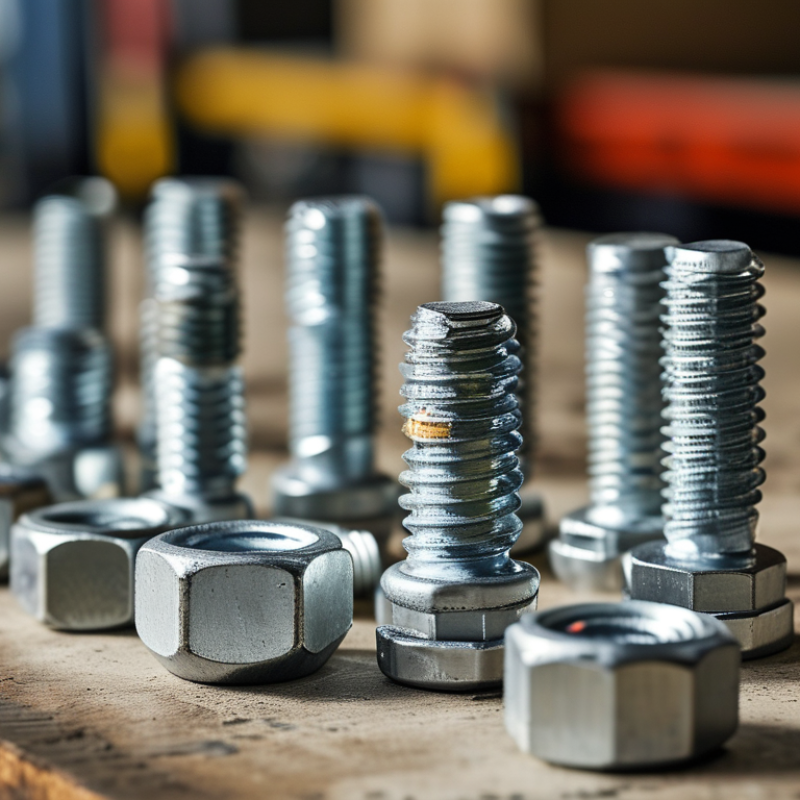
Choosing stainless carriage bolts for global sourcing starts with defining the bolt type and service environment. A standard round-head carriage bolt suits timber, sheet metal, and light structural assemblies. Its square neck resists rotation when the nut is tightened. For thicker materials, confirm the neck length and thread engagement carefully. A bolt that looks correct may still fail during installation.
Grade selection requires more than reading “stainless.” Common stainless grades offer different balances of corrosion resistance, strength, and cost. Austenitic grades usually perform well in humid or outdoor conditions, while higher-alloy options suit salt exposure more effectively. Check the specified mechanical properties, thread accuracy, head dimensions, and surface finish. Ask for material certificates and test reports from the supplier. These documents support traceability, although paperwork alone cannot replace sample inspection.
Tips: Compare samples from several production batches. Measure head diameter, square-neck size, thread length, and overall length with calibrated tools. Check whether the fastener matches the nut and washer system used at the destination. Packaging also matters; mixed sizes can create expensive receiving errors. I have seen buyers focus on unit price and overlook tightening behavior. That approach is understandable, but it often creates avoidable rework. When specifications are uncertain, record the application load, temperature, moisture, and installation method before requesting quotations.

Match Bolt Dimensions, Threads, and Head Styles to Project Needs
When sourcing stainless carriage bolts globally, match dimensions before comparing prices. Measure bolt diameter, length, and the square-neck width under the head. A 6 mm neck may not seat correctly in a 7 mm slot. Head diameter also matters when the bolt passes through timber, sheet metal, or a recessed channel. ISO 8677 and DIN 603 provide useful dimensional references for metric carriage bolts, but suppliers may interpret older drawings differently. Confirm every measurement in millimetres.
Thread selection affects assembly speed and holding strength. Metric coarse threads suit general structural work and tolerate minor contamination. Fine threads offer better adjustment, but they can be less forgiving during field assembly. Specify thread diameter, pitch, tolerance, and engagement length. ISO 965-1 defines metric thread tolerances, while ISO 3506-1 lists stainless property classes. For example, A2-70 indicates a minimum tensile strength of 700 MPa; A4-80 indicates 800 MPa. These figures describe the fastener class, not proof that every shipment meets it. Request test reports.
Head style needs practical testing. The rounded head should resist rotation, while the square neck must match the receiving material. In thin sheet, the neck may punch through or fail to lock. In timber, a slightly larger head can reduce pull-through. ASTM F593 also provides material and strength guidance for stainless fasteners. Sampling is still wise. I would test actual washers, coatings, and installation tools together, because catalog dimensions rarely reveal every sourcing risk.
How to Choose Stainless Carriage Bolts for Global Sourcing - Match Bolt Dimensions, Threads, and Head Styles to Project Needs
Use the following reference data to compare stainless steel carriage bolt sizes, thread systems, head styles, and application requirements. Dimensions are typical standard values and should be confirmed against the applicable purchasing standard and supplier drawing before production.
| Thread System | Nominal Size | Common Thread / Pitch | Typical Head Diameter | Typical Head Height | Typical Square Neck Width | Suitable Project Uses |
|---|---|---|---|---|---|---|
| Imperial | 1/4 in | 1/4-20 UNC | Approx. 15.9 mm | Approx. 3.9 mm | Approx. 6.4 mm | Light-duty panels, small brackets, timber assemblies |
| Imperial | 5/16 in | 5/16-18 UNC | Approx. 19.1 mm | Approx. 4.5 mm | Approx. 7.9 mm | General equipment frames and outdoor fixtures |
| Imperial | 3/8 in | 3/8-16 UNC | Approx. 22.2 mm | Approx. 5.3 mm | Approx. 9.5 mm | Medium-duty structural connections and machinery guards |
| Imperial | 1/2 in | 1/2-13 UNC | Approx. 28.6 mm | Approx. 7.1 mm | Approx. 12.7 mm | Heavy equipment, rails, outdoor structures, and timber beams |
| Imperial | 5/8 in | 5/8-11 UNC | Approx. 34.9 mm | Approx. 8.8 mm | Approx. 15.9 mm | High-load outdoor frames and large timber connections |
| Imperial | 3/4 in | 3/4-10 UNC | Approx. 41.3 mm | Approx. 10.6 mm | Approx. 19.1 mm | Large structural assemblies and high-clamp-load applications |
| Metric | M6 | M6 × 1.0 mm | Approx. 16 mm | Approx. 4.0 mm | Approx. 6 mm | Light machinery, cabinets, signs, and small frames |
| Metric | M8 | M8 × 1.25 mm | Approx. 20 mm | Approx. 5.0 mm | Approx. 8 mm | General-purpose equipment and medium-duty brackets |
| Metric | M10 | M10 × 1.5 mm | Approx. 24 mm | Approx. 6.0 mm | Approx. 10 mm | Outdoor frames, machinery supports, and vehicle accessories |
| Metric | M12 | M12 × 1.75 mm | Approx. 30 mm | Approx. 7.5 mm | Approx. 12 mm | Heavy-duty frames, structural supports, and large assemblies |
Material, Head Style, and Sourcing Selection Guide
| Selection Dimension | Recommended Specification | Why It Matters for Global Sourcing | Verification Point |
|---|---|---|---|
| Corrosion environment | A2 stainless steel for general indoor and outdoor service; A4 stainless steel for marine, coastal, or chloride-rich environments | Material selection affects corrosion resistance, service life, and total maintenance cost | Request material designation and mill or material test documentation when required |
| Strength class | For metric stainless fasteners, commonly specify A2-70 or A4-70 when applicable | The strength class defines minimum mechanical performance and must match the design load | Confirm tensile requirements, proof load, and applicable ISO 3506 designation |
| Head style | Round domed head with square neck for standard anti-rotation performance; low-profile or ribbed styles where clearance or grip requires it | The head profile influences appearance, clearance, installation, and resistance to turning | Check head diameter, head height, neck geometry, and visible surface requirements |
| Thread standard | Use UNC for many inch-based general-purpose applications; use ISO metric coarse threads for metric designs | Incorrect thread systems can cause assembly failure, delays, and incompatible replacement parts | State nominal diameter, pitch or TPI, tolerance class, and thread length on the purchase order |
| Length selection | Select a length that provides full nut engagement without excessive thread projection | Length is measured from beneath the head, so head height is not included | Measure total clamped thickness, washer thickness, and required nut engagement |
| Surface condition | Passivated or clean stainless surface; avoid contamination from carbon-steel handling equipment | Iron contamination can create surface staining and reduce the expected corrosion performance | Define cleaning, passivation, packaging, and visual acceptance requirements |
| Documentation | Dimensional inspection report, material certificate, mechanical test report, and sampling plan when required | Consistent documentation supports customs clearance, incoming inspection, and multi-country quality control | Agree inspection criteria, document language, lot traceability, and packing details before order release |
Reference note: Inch dimensions are shown in approximate metric equivalents for comparison. Final dimensions may vary by applicable carriage bolt standard, size range, tolerance, and head style. Confirm the exact drawing and standard before ordering.
Evaluate Corrosion Resistance, Finishes, and Environmental Conditions
When sourcing stainless carriage bolts globally, assess corrosion resistance against the actual service environment. Indoor storage needs less protection than a coastal installation. Salt changes everything. Chlorides can attack exposed fasteners, especially where moisture remains under the rounded head or washer.
Common stainless grades include 304 and 316, but grade names alone do not guarantee performance. Verify the material certificate, chemical composition, tensile strength, and applicable test standard. In field inspections, I have seen bolts labeled “stainless” develop rust after repeated exposure to seawater. The problem was often unsuitable material, contaminated tooling, or poor storage. A brighter surface did not help. Finish is not armor.
Evaluate passivation, surface cleanliness, and thread condition before comparing prices. A smooth, properly treated surface can reduce contamination and improve consistency. Avoid assuming that polished bolts resist corrosion better than properly passivated bolts. Check whether the supplier separates stainless parts from carbon-steel handling equipment. Small iron particles can create misleading rust marks.
Consider temperature, humidity, industrial chemicals, cleaning agents, and contact with dissimilar metals. In wet areas, specify drainage around the head and avoid designs that trap water. Request sample testing when the application is critical. Test the actual part. Salt-spray results can support comparison, but they may not represent field exposure precisely. I would also inspect packaging, because torn cartons and wet containers can damage otherwise acceptable hardware. A low unit price becomes expensive when replacements interrupt installation schedules.
Verify Standards, Quality Certifications, and Supplier Reliability
Choosing stainless carriage bolts for global sourcing starts with matching the specification to the application. For dimensions, check ISO 8677 or DIN 603 requirements. For mechanical performance, request ISO 3506-1 grades, such as A2 or A4, rather than accepting “stainless steel” as a complete description. A4 may suit coastal or chloride-rich environments better, but exposure testing still matters. The International Stainless Steel Forum reported global stainless steel production of about 58.4 million tonnes in 2023. That scale increases material availability, but not necessarily consistency.
Verify the supplier’s ISO 9001 certificate through the issuing body, and confirm its scope covers fastener manufacturing. The ISO Survey 2022 recorded more than 1.2 million ISO 9001 certificates worldwide. Quantity does not equal competence. Paperwork is not performance. Ask for heat numbers, chemical analysis, tensile results, and EN 10204 3.1 inspection documents for each production lot. Independent tests should come from an ISO/IEC 17025-accredited laboratory, especially when corrosion resistance or load capacity is critical.
Supplier reliability appears in small details. Request a sample with a visible lot mark, matching nut, and measured thread length. Compare head diameter, square-neck dimensions, pitch, and surface condition against the approved drawing. Audit packing methods; mixed lots or damp cartons can damage traceability before shipment. A factory may pass one audit and still miss a later batch. That uncomfortable possibility deserves a control plan, periodic re-testing, and written corrective-action records. Traceability matters.
How to Choose Stainless Carriage Bolts for Global Sourcing
Compare the minimum mechanical requirements of common austenitic stainless-steel property classes before verifying dimensions, certifications, and supplier reliability.
Confirm the carriage-bolt dimensional requirements against the applicable product standard, such as ASME B18.5, and verify that the material property class is stated clearly.
Request material certificates, lot traceability, inspection records, and test reports that identify the applicable requirements of ISO 3506-1.
Review production consistency, sampling procedures, corrective-action records, lead-time performance, and the supplier’s ability to provide complete documentation for every lot.
Chart values are minimum tensile strength and 0.2% proof stress requirements in MPa for selected stainless-steel property classes under ISO 3506-1. Always confirm the latest standard edition and the exact bolt specification before purchasing.
Compare Global Sourcing Costs, Logistics, and Import Requirements
How to Choose Stainless Carriage Bolts for Global Sourcing
A low unit price can hide expensive sourcing risks. Compare 304 and 316 stainless steel, thread accuracy, head diameter, and salt-spray performance. Request a material certificate, dimensional inspection report, and sample photographs before placing a bulk order. My first quote comparison was too optimistic. Freight, inspection, and customs charges changed the result.
Calculate landed cost, not factory price. Include tooling, packaging, ocean or air freight, cargo insurance, duties, brokerage, and inland delivery.
The World Bank’s 2023 Logistics Performance Index evaluates 139 economies through customs, infrastructure, shipment quality, logistics competence, tracking, and timeliness. These factors can affect delivery reliability more than a small price difference.
UNCTAD’s Review of Maritime Transport 2023 reported that maritime trade contracted in 2022, while capacity and freight conditions remained volatile. That uncertainty deserves a contingency allowance.
Import requirements need early checking. Confirm the correct tariff classification, country-of-origin documents, commercial invoice, packing list, and product descriptions.
Some markets may request test evidence for corrosion resistance or chemical compliance. Wooden pallets may require treatment marks under applicable plant-health rules.
Ask who acts as importer of record under the selected Incoterm. Do not assume DDP removes every responsibility.
A practical comparison uses identical bolt specifications, carton quantities, delivery points, and customs assumptions. Keep those assumptions visible. One overlooked detail can distort the entire sourcing decision.