BLOG

How to Choose the Best X Ray Food Inspection Systems for Your Business?

Choosing the best x ray food inspection systems for your business can be challenging. The market is filled with various options, each with unique features and capabilities. When selecting a system, it is crucial to consider your specific needs. What type of food products do you handle? Are they packaged or bulk items?

Understanding the level of contamination your products may be exposed to is also important. For example, do you require detection of metals, glass, or other foreign materials? Alongside this, it is wise to evaluate the system's ease of use and maintenance. A complex machine may complicate daily operations.

Take time to analyze your budget as well. High costs do not always guarantee the best x ray food inspection systems. Finding a balance between quality and price is essential. Remember, investing in the right system can enhance safety and efficiency. However, if overlooked, these factors could lead to costly mistakes.
How to Choose the Best X Ray Food Inspection Systems for Your Business?

Factors to Consider When Selecting X-Ray Food Inspection Systems

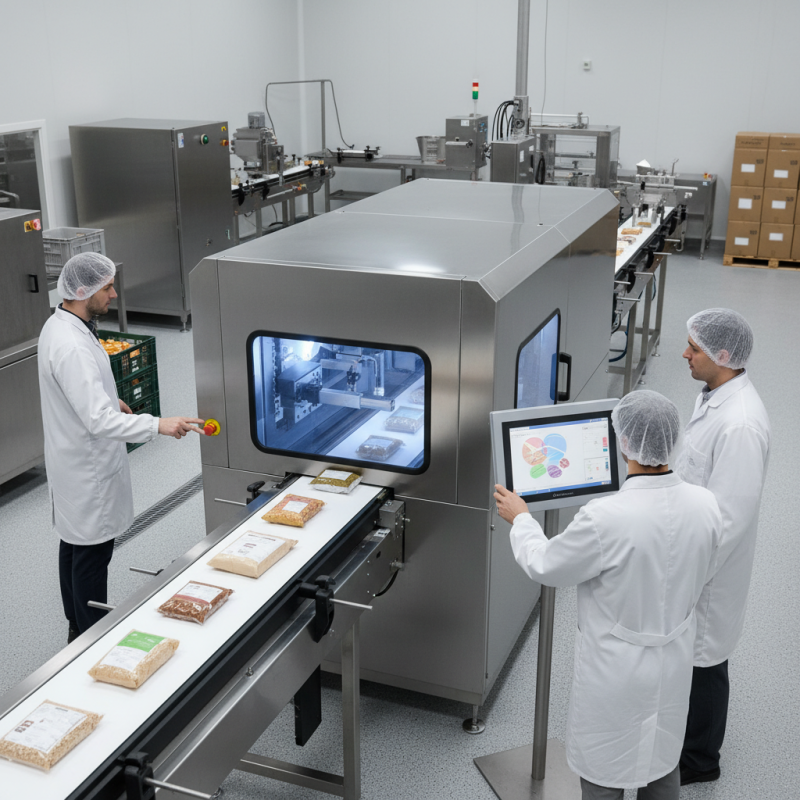
Selecting the right X-ray food inspection system is crucial for food safety. One key factor is detection sensitivity. Reports indicate that advanced systems can detect contaminants as small as 0.5 mm. This precision can greatly reduce the risk of foreign material in food products. Businesses must ensure the system meets industry standards and can adapt to varying product types.

Another factor to consider is workflow compatibility. A system’s efficiency can directly impact production pace. Systems that integrate smoothly into existing lines save time and resources. According to industry analyses, optimizing workflow can improve overall efficiency by up to 30%. Companies often overlook this aspect, leading to bottlenecks.

Maintenance requirements should also be evaluated. A reliable inspection system needs regular calibration. This can affect uptime and costs. It's vital to assess vendor support and service availability. Some businesses express frustrations over long wait times for repairs. Ensuring quick response from service teams is essential to minimize downtimes and ensure product safety.
Overview of Different Types of X-Ray Food Inspection Technologies

X-ray food inspection systems play a critical role in ensuring food safety. Various technologies are available, each suited for different needs. Radiographic technology uses X-rays to detect foreign objects in food products. This method is effective for identifying metals, plastics, and glass. However, the inspection process can be slow, leading to potential delays.

Another technology is computed tomography (CT). CT scans offer detailed three-dimensional images of products. They help in analyzing the internal structure of food items. However, these systems can be costly and require skilled operators. It's important to weigh the benefits against the investment required for such advanced systems.

Some systems focus on dual-energy X-ray detection. This technology distinguishes between different materials based on their density. While it can enhance detection capabilities, it may still miss smaller contaminants. Users often find that training and ongoing calibration are essential. Each technology has its strengths and weaknesses. Understanding these differences is crucial for making informed decisions about food inspection systems.

Key Industry Standards and Compliance Requirements for X-Ray Systems

How to Choose the Best X Ray Food Inspection Systems for Your Business?

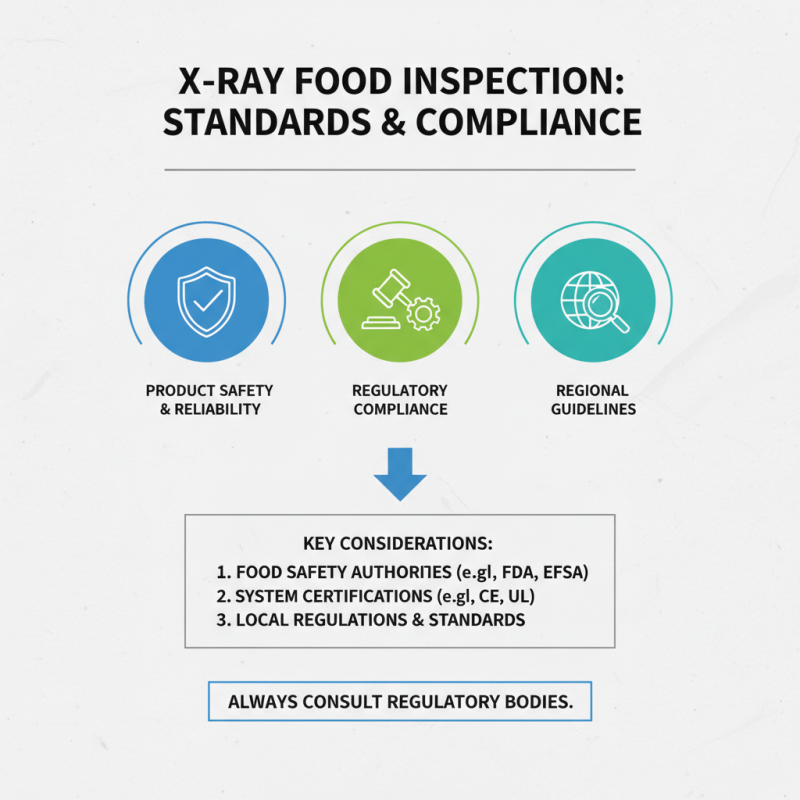
When selecting an X-ray food inspection system, industry standards and compliance requirements play a significant role. These standards ensure product safety and reliability. Systems must comply with regulations set by food safety authorities. It's essential to understand these guidelines in your region. This may involve consulting documents from regulatory bodies.

Quality control processes are often tied to these compliance requirements. They dictate the necessary performance metrics your system must meet. Regular audits may be required to maintain certification. Not all systems meet these standards equally, so thorough research is key. Factors like detection sensitivity and image quality can vary widely among systems.

In addition, consider the training and support offered with your chosen system. Staff must understand how to operate the equipment effectively. Without proper training, even the best system may become a liability. Some companies overlook the importance of user manuals and ongoing support. Reflecting on these aspects can lead to a more informed decision.

Cost-Benefit Analysis: Investing in X-Ray Inspection for Food Safety

Investing in X-ray food inspection systems can be a game-changer for businesses. A study from the Food Safety and Inspection Service found that foodborne illness costs the U.S. economy over $15 billion annually. Implementing effective inspection systems can drastically reduce these costs. X-ray systems detect contaminants that traditional methods may miss. This technology enhances product safety and builds consumer trust.

Cost-benefit analysis is crucial when evaluating these systems. Initial expenses may seem high, but the long-term savings are significant. According to a report by the Global Food Safety Initiative, every dollar spent on improving food safety can yield a return of up to $10. Moreover, investing in X-ray inspection can lead to fewer recalls, minimizing potential losses and reputational damage.

Some businesses hesitate due to the perceived complexity of these systems. Training staff can take time and resources. However, once implemented, these systems operate with increased efficiency. Real-life case studies highlight the successful integration of technology in production lines. Challenges remain, but the benefits often outweigh the drawbacks, leading to overall improved safety and profitability.

How to Choose the Best X Ray Food Inspection Systems for Your Business? - Cost-Benefit Analysis: Investing in X-Ray Inspection for Food Safety

Feature Description Estimated Cost ($) Potential Benefit ($) ROI (%)
Throughput Speed of inspection per hour 15,000 30,000 100%
Detection Sensitivity Ability to detect foreign objects 20,000 40,000 100%
Maintenance Costs Annual maintenance and support 5,000 20,000 300%
Compliance Meeting food safety regulations 10,000 50,000 400%
User Training Training staff on new system 3,000 15,000 400%

Case Studies: Successful Implementations of X-Ray Systems in Food Industry

Food safety is critical in today's market. Several case studies highlight successful implementations of X-ray inspection systems in the food industry. For instance, a poultry processing facility incorporated advanced X-ray technology. This upgrade resulted in a 30% reduction in foreign material contamination. They ensured that their products met stringent safety standards.

Another example comes from a snack food manufacturer. After implementing X-ray systems, they detected an increase in overall operational efficiency. The report indicated a 25% decrease in recalls due to contamination. However, the transition wasn’t without challenges. Employees needed thorough training to effectively operate the new technology. Initial resistance to change slowed their implementation process.

Moreover, a dairy processing plant saw significant benefits after adopting X-ray inspection systems. Their detection rate of non-conforming products improved by 40%. This not only enhanced safety but also built customer trust. Yet, they faced issues with system integration into existing processes. The complexity of merging old and new technologies required careful planning and flexibility in approach. Industry data suggests that effective communication and training can mitigate these challenges.