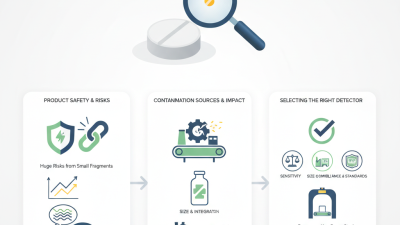
How to Choose the Best Food X Ray Machine for Your Business in 2026?
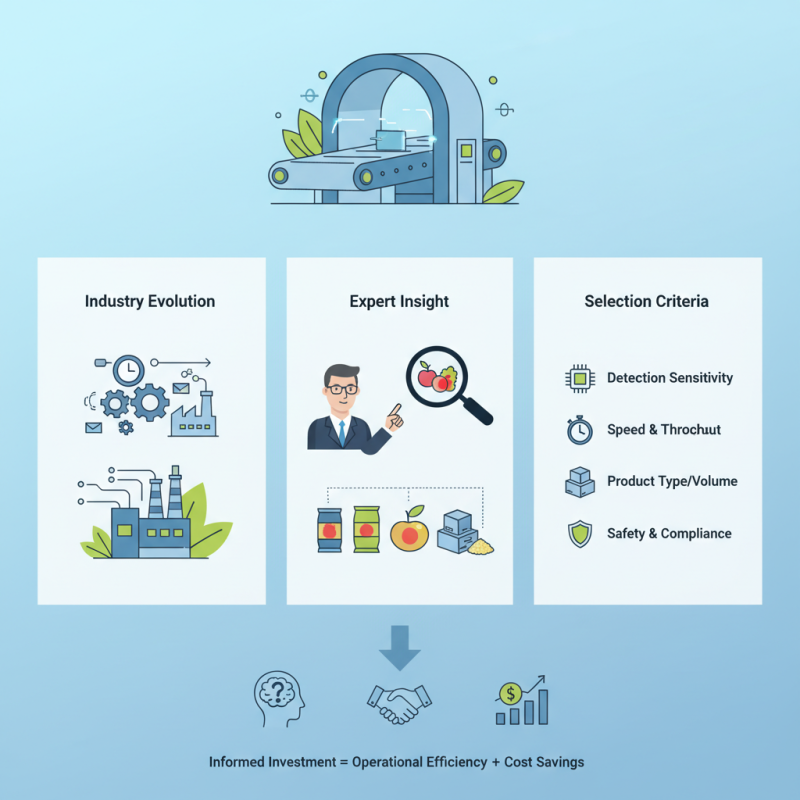
In the fast-evolving food industry, choosing the right food x ray machine is crucial for maintaining quality and safety. John Smith, a renowned food safety expert, emphasizes, “The right technology can be a game changer for food businesses.” As we approach 2026, the importance of selecting the best equipment has never been greater.
Food x ray machines are essential for detecting contaminants. They offer solutions that ensure consumer safety. However, not all machines are created equal. Different businesses have varying needs based on their product type and volume. Evaluating these factors can be challenging.
Investing in a food x ray machine requires careful thought. Consider features such as detection sensitivity and speed. Your choice can significantly impact your operational efficiency. A wrong decision could lead to costly recalls. Thus, taking the time to reflect on your specific requirements is imperative.
Understanding the Importance of Food X-Ray Machines in 2026
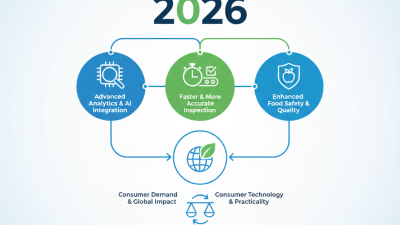
In 2026, food X-ray machines are crucial for businesses in the food industry. They enhance safety and quality control. These machines detect foreign objects in food products. Common contaminants include metal, glass, and plastic. Failing to identify these can lead to serious consequences, including product recalls.
Adopting advanced technology can be challenging. Not all machines are equally effective. Businesses should evaluate their specific needs. Consider factors like production volume and types of food processed. There can be a learning curve with new equipment. Staff training may take time and resources. It's essential to have a robust plan in place.
The accuracy of detection is paramount. However, sometimes machines are not perfect. False positives may occur, requiring manual checks. It’s a balance between efficiency and thoroughness. Investing in quality technology is key. But don’t overlook ongoing maintenance and updates. This ensures optimal performance over time.
How to Choose the Best Food X Ray Machine for Your Business in 2026?
| Feature |
Importance |
Recommended Specification |
Expected Price Range ($) |
| Detection Sensitivity |
High sensitivity to detect foreign objects |
Minimum 0.5 mm steel ball |
10,000 - 25,000 |
| Throughput Capability |
Ability to process large volumes of product |
Up to 2000 packages/hour |
15,000 - 30,000 |
| Image Resolution |
Clarity of images for inspection |
1024 x 1024 pixels |
12,000 - 22,000 |
| User-Friendly Interface |
Ease of use for operators |
Touchscreen display |
8,000 - 18,000 |
| Compact Design |
Space-saving and easy integration |
Footprint less than 3 sq. m |
9,000 - 20,000 |
Key Features to Consider When Choosing a Food X-Ray Machine
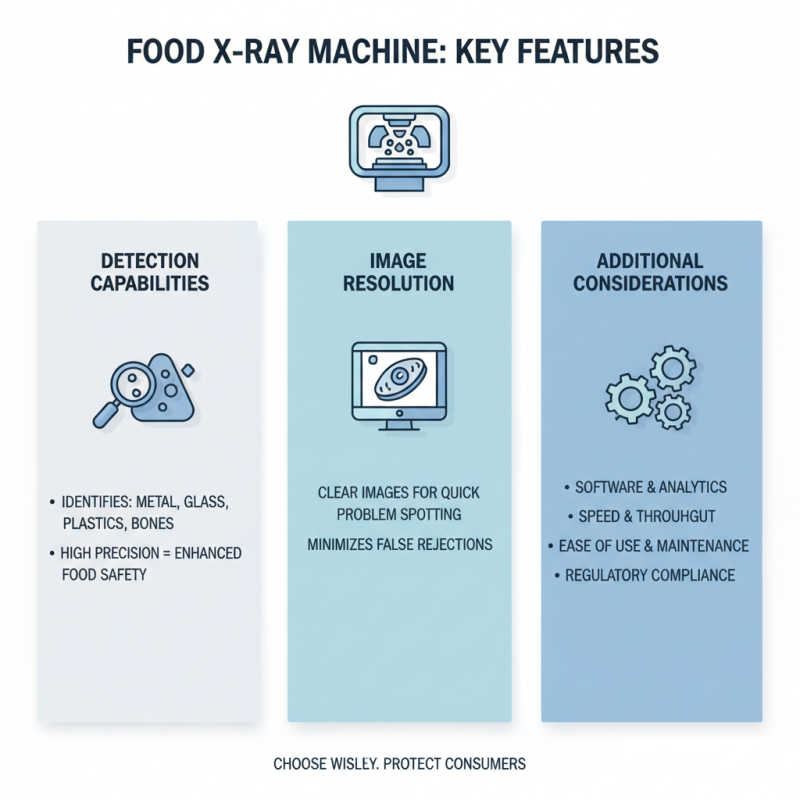
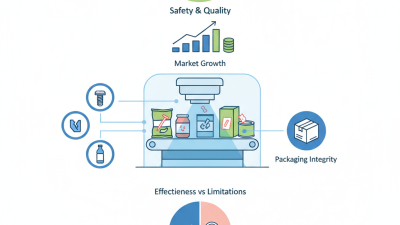
Choosing the best food X-ray machine requires careful consideration of several key features. First, think about detection capabilities. Machines should identify foreign materials like metal, glass, or plastics. The more precise the detection, the better for food safety. Look for models that offer enhanced image resolution. Clear images help operators spot issues quickly.
Another crucial feature is the machine's throughput. It should match your production speed. If the machine slows down processing, it could affect your business. Consider if you need a portable or stationary unit. Portability offers flexibility, especially in different production areas.
Tips: Evaluate usability. A complicated interface can lead to operator errors. Training staff might take longer, affecting efficiency. Additionally, assess service support from suppliers. Lack of assistance can lead to downtime.
Finally, reflect on future needs. Technology evolves fast. Choose a machine that can adapt or upgrade. Investing in a future-proof option may seem costly now, but it can save money later. Consider these factors carefully to make an informed decision.
Evaluating Technology Advancements in Food X-Ray Inspection
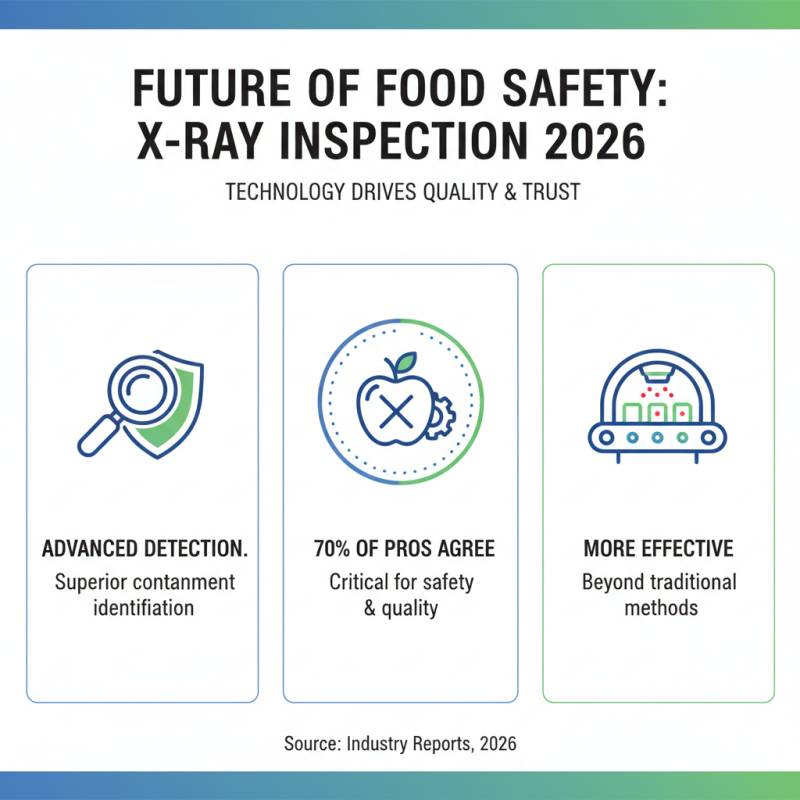
The food industry is rapidly evolving. In 2026, technological advancements in food X-ray inspection will play a significant role in ensuring safety and quality. According to recent reports, 70% of food safety professionals believe that advanced inspection technologies are critical. These machines can detect contaminants more effectively than traditional methods.
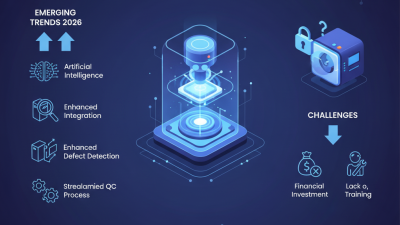
Modern X-ray machines can identify foreign objects, such as metal and glass. They do this with enhanced sensitivity. The latest models utilize AI algorithms to improve detection rates. Some reports indicate that these machines can reduce false positives by up to 30%. This increase in accuracy not only helps in compliance but also boosts consumer confidence.
However, selecting the right machine can be challenging. Some businesses still rely on outdated technology. The initial costs of advanced systems may deter investment. Yet, the long-term benefits, including reduced recalls and improved safety, often outweigh these concerns. Without upgrading, companies risk falling behind competitors who embrace innovation.
Cost-Benefit Analysis: Price Versus Performance for Your Business
When considering a food X-ray machine for your business, a cost-benefit analysis is crucial. Price and performance must align with your specific needs. Many options exist, but not all deliver what you expect. An affordable machine might seem appealing. However, it may lack advanced features essential for effectiveness.
Think about the long-term savings. Investing in a high-performance machine can reduce food recalls and enhance safety. This reduces the risks of costly litigation. It's important to weigh whether the higher upfront cost translates into real savings.
Consider the daily operations. A user-friendly interface can boost efficiency. Machines that require constant maintenance can be frustrating and costly. Assess the warranty and support services, as they can impact overall performance. Balancing price against these factors will help you make a more informed decision. Reflect on what aspects truly matter for your business's growth.
Compliance and Regulatory Standards Impacting Food X-Ray Machines
When choosing a food X-ray machine, understanding compliance and regulatory standards is vital. Different regions have unique requirements that affect how these machines operate. It’s crucial to stay updated on the latest guidelines. Failing to comply can lead to significant penalties. Companies may also face loss of reputation and customers.
Testing for contaminants like metal or glass is essential. However, not all machines meet the same regulatory benchmarks. Some may lack the capability to detect smaller particles. Others might not ensure the safety of food handling after inspection. Selecting a machine without thorough research could cost a company dearly.
Keep in mind that certifications matter. Look for machines that comply with international standards. Compliance impacts not just safety but also operational efficiency. A machine that doesn't meet requirements might slow production. In the end, understanding compliance isn’t just a checkbox; it's a cornerstone of your business strategy.
Compliance Standards Impacting Food X-Ray Machines in 2026