BLOG
Top 10 Benefits of Using X Ray Inspection Machines in Quality Control
In the realm of manufacturing and quality control, maintaining high standards is paramount to ensuring the safety and reliability of products. One of the most effective tools in achieving this goal is the x ray inspection machine. These sophisticated devices utilize advanced imaging technology to perform non-destructive testing, allowing industries to scrutinize the internal structures of their products without causing any damage. The integration of x ray inspection machines into quality control processes not only enhances product integrity but also optimizes operational efficiency.
The benefits of employing x ray inspection machines are vast, ranging from the early detection of defects to compliance with stringent safety regulations. By providing intricate insights into the internal and external characteristics of materials, these machines help manufacturers identify potential issues that could lead to product failures, ultimately safeguarding their reputation and customer satisfaction. Furthermore, as industries continue to seek innovative solutions to elevate their quality assurance practices, the adoption of x ray inspection machines serves as a pivotal step forward in achieving consistent excellence in product quality.
Key Advantages of X-Ray Inspection Machines in Quality Assurance
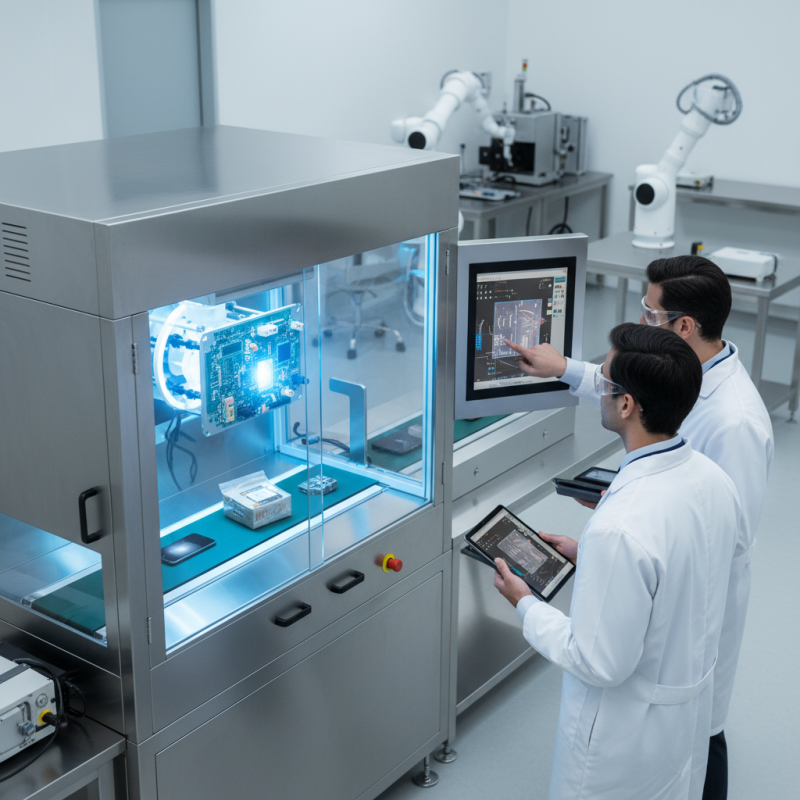
X-ray inspection machines play a crucial role in quality assurance across various industries by offering several key advantages that enhance product reliability and safety. One of the primary benefits is their ability to provide highly detailed internal imaging of products, allowing for the early detection of defects or contaminants that may not be visible on the surface. This advanced imaging technology ensures that manufacturers can identify potential quality issues before they escalate, thereby significantly reducing the risk of costly recalls and enhancing overall product safety.
Another advantage of using X-ray inspection machines in quality control is their efficiency in processing. These machines can quickly analyze numerous products in a short amount of time, ultimately increasing throughput without compromising accuracy. This rapid assessment allows companies to maintain high production standards while ensuring that every item meets strict quality requirements. Additionally, the non-destructive nature of X-ray inspection means that products can be tested without altering their integrity, preserving their functionality and market value for the end consumer. Embracing this technology empowers manufacturers to uphold rigorous quality assurance protocols and maintain customer trust.
Top 10 Benefits of Using X Ray Inspection Machines in Quality Control
This chart represents the top benefits of using X Ray Inspection Machines in quality assurance. Each benefit is measured on a scale from 0 to 100 to demonstrate its significance in the quality control process.
Enhanced Detection of Defects and Anomalies in Products
X-ray inspection machines have revolutionized the quality control processes across various industries by offering enhanced detection capabilities for defects and anomalies in products. By utilizing high-energy radiation, these machines can penetrate materials to reveal internal structures, making them invaluable for identifying issues that are not detectable through traditional inspection methods. This advanced technology allows manufacturers to visualize the integrity of their products, ensuring that they meet safety and performance standards.
When integrating X-ray inspection into your quality control processes, it’s essential to maintain a regular calibration schedule to guarantee accurate readings. Additionally, consider training your staff on interpreting X-ray images effectively, as this will enhance the overall quality control process. It is also advisable to routinely analyze inspection data to identify recurring defects, enabling proactive measures to rectify potential problems before they escalate into larger issues.
To maximize the benefits of X-ray technology, it’s crucial to select the right machine tailored to the specific materials and product dimensions you are working with. Understanding the capabilities and limitations of different X-ray systems can significantly enhance your defect detection strategies. By prioritizing these aspects, companies can not only improve product quality but also build a reputation for reliability and excellence.
Improved Product Consistency and Reliability through Automated Inspections
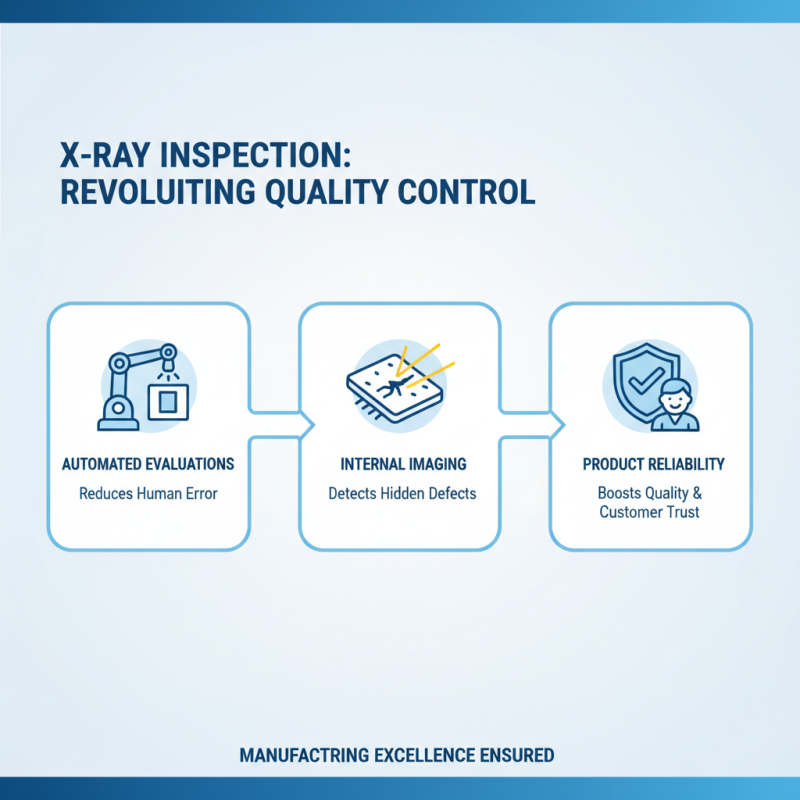
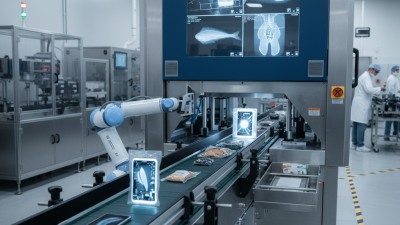
The integration of X-ray inspection machines in quality control processes has revolutionized the way manufacturers ensure product consistency and reliability. These advanced inspection systems enable automated evaluations of products at various stages of production, significantly reducing the chances of human error. By employing X-ray technology, manufacturers can obtain detailed internal images of their products, allowing for the detection of hidden defects that conventional inspection methods may overlook. This level of scrutiny not only enhances product quality but also fosters customer confidence in the brand's commitment to excellence.
In addition to improving product consistency, the automation of inspections leads to increased efficiency in manufacturing processes. The speed at which X-ray inspection machines operate ensures that production lines maintain optimal throughput while still adhering to stringent quality standards. This dual benefit of speed and accuracy allows companies to minimize waste and rework, ultimately driving down costs while delivering reliable products to the market. As a result, manufacturers can create a more predictable and robust production environment, which is essential in today's competitive landscape.
Reduced Production Costs and Waste with Efficient Quality Control
The integration of X-ray inspection machines in quality control processes has shown significant benefits, particularly in reducing production costs and minimizing waste. According to a report published by the International Society for Quality in Health Care, companies that implement advanced inspection technologies, including X-ray systems, can reduce their overall production costs by up to 30%. By effectively identifying defects early in the production line, manufacturers can avoid costly rework and scrap, ensuring that only the highest quality products reach the market.
Moreover, the reduction of waste has become a driving factor for many manufacturers adopting X-ray inspection. A study by the National Institute of Standards and Technology indicates that incorporating real-time inspection technologies can decrease material waste by as much as 25%. This not only contributes to significant cost savings but also aligns with sustainability goals, reducing the environmental impact of the manufacturing process. Efficient quality control through X-ray inspection not only streamlines production but also optimizes resource utilization, paving the way for more responsible manufacturing practices.
Compliance with Industry Standards and Regulatory Requirements
Compliance with industry standards and regulatory requirements is a critical aspect of quality control in manufacturing processes. X-ray inspection machines play a vital role in ensuring that products meet the stringent guidelines set forth by various regulatory bodies. These machines provide detailed imaging that allows for thorough inspection of internal structures without damaging the product. By utilizing X-ray technology, companies can identify defects, inconsistencies, or foreign objects that may compromise product safety and performance, ultimately adhering to compliance mandates.
Furthermore, the ability to document inspection results contributes significantly to maintaining compliance. X-ray inspection machines generate accurate and reproducible data that can be easily stored and retrieved for audits or quality assurance evaluations. This level of documentation not only helps organizations demonstrate conformity with regulatory requirements but also fosters a culture of transparency and accountability within the manufacturing process. By integrating X-ray inspection into their quality control protocols, companies can effectively mitigate risks and enhance their credibility in the marketplace while ensuring compliance with industry standards.
Top 10 Benefits of Using X Ray Inspection Machines in Quality Control - Compliance with Industry Standards and Regulatory Requirements
| Benefit | Description | Impact on Quality Control |
|---|---|---|
| Improved Defect Detection | X-ray machines enhance the ability to identify internal defects that may not be visible externally. | Increases product reliability and reduces returns due to defects. |
| Non-Destructive Testing | Allows thorough inspection without damaging the products being tested. | Preserves product integrity and minimizes waste. |
| Compliance with Regulations | Helps manufacturers meet industry standards and legal requirements. | Avoids legal penalties and enhances brand reputation. |
| Increased Inspection Speed | X-ray technology significantly speeds up the inspection process compared to traditional methods. | Improves production efficiency and throughput. |
| Automated Analysis | Many X-ray machines come with advanced software for automatic image analysis. | Reduces human error and enhances accuracy in defect detection. |
| Data Tracking and Reporting | Generates comprehensive reports on inspection results for record-keeping. | Facilitates quality audits and process improvements. |
| Detailed Internal Insights | Provides in-depth visibility into the internal structure of products. | Assists in identifying potential areas for design improvement. |
| Versatile Application | Usable across a wide range of industries and product types. | Enhances operational versatility and marketability. |
| Enhancing Customer Trust | Provides assurance to customers regarding product safety and quality. | Builds brand loyalty and attracts new customers. |
| Cost Efficiency | Long-term savings on inspection costs and reduced rates of product failure. | Improves profit margins through efficient quality control processes. |
Related Posts
-
How to Use Xray Inspection for Effective Quality Control in Manufacturing
-

What is Food Xray and How It Revolutionizes Food Safety with Industry Insights and Data
-
How to Use X-Ray Technology in the Food Industry for Enhanced Safety and Quality
-
Top 5 Benefits of Xray Inspection for Quality Control and Safety Standards
-
Top 10 Factors Influencing Food X-Ray Machine Prices You Must Know
-

Top 7 Benefits of Using X Ray Machines for Food Processing Efficiency