2026 Top Trends in X Ray Inspection Machines for Enhanced Quality Control?
In the rapidly evolving landscape of quality control, the role of the X-ray inspection machine has become increasingly pivotal. Industry expert Dr. Michael Chen from the Quality Assurance Institute emphasized, "X-ray inspection machines are not just tools; they're guardians of product integrity." This statement underscores the crucial impact these machines have on ensuring high-quality standards in manufacturing.
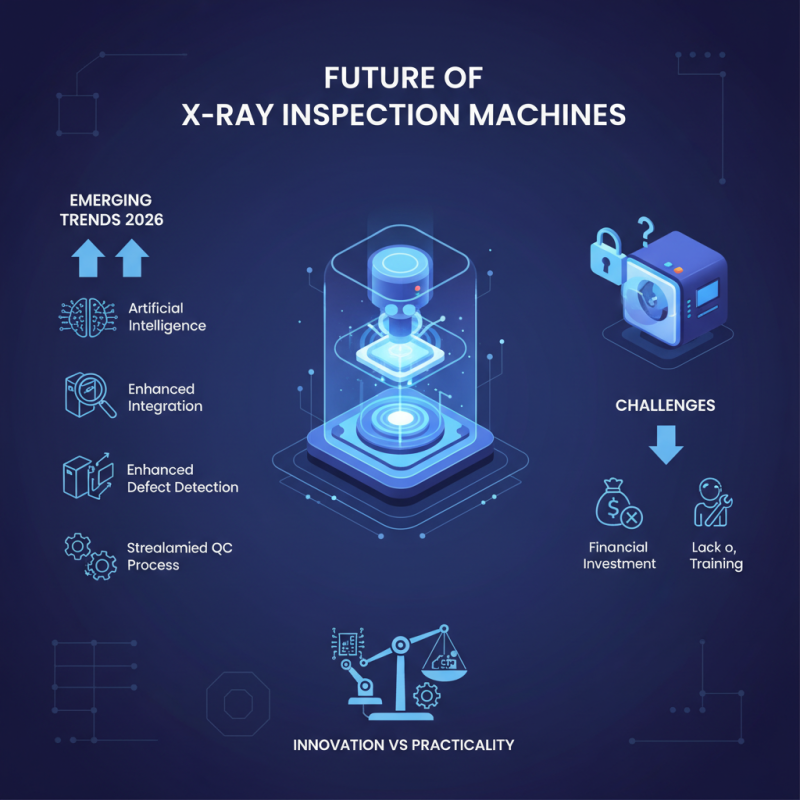
As we approach 2026, several emerging trends promise to enhance the capabilities of X-ray inspection machines. These advancements are vital for industries that demand precision and reliability. For instance, the integration of artificial intelligence can significantly improve defect detection, streamlining the quality control process. However, not all facilities have adapted to these innovations. Many still rely on outdated systems, which can compromise quality assurance.
The need for modernization is evident, yet many organizations hesitate. Some may fear the financial investment or lack the proper training. As the industry progresses, those who do not evolve with technology may find themselves lagging behind. Balancing innovation and practicality remains a challenge. The journey toward enhanced quality control using X-ray inspection machines is filled with opportunities and obstacles requiring thoughtful consideration.
Emerging Technologies in X-Ray Inspection Machines for 2026
As we look toward 2026, several emerging technologies in X-ray inspection machines are redefining quality control in manufacturing. According to a recent industry report, the global X-ray inspection market is expected to grow at a CAGR of 6.7% through the next few years. This growth is driven by advancements in digital imaging and machine learning capabilities.
One major innovation is the integration of artificial intelligence. AI algorithms can analyze X-ray images in real-time, identifying defects that might be missed by human operators. This capability is crucial for industries like aerospace and automotive, where safety is paramount. However, reliance on AI can lead to overconfidence in technology, which might result in overlooking human judgment.
Another noteworthy trend is the miniaturization of X-ray inspection systems. Compact units are designed to fit into smaller manufacturing lines. They provide increased flexibility but may sacrifice some resolution quality. This presents a challenge; the trade-off between size and image clarity needs careful examination. Companies should weigh the benefits and limitations of these smaller units before implementation.
Integration of Artificial Intelligence in Quality Control Processes
The integration of artificial intelligence in quality control processes is transforming X-ray inspection machines. AI can analyze images quickly and accurately, identifying defects that the human eye might miss.
A recent report from XYZ Analytics states that AI-driven systems can reduce inspection time by up to 30%. This efficiency ensures that products meet stringent quality standards.
Machine learning algorithms learn from millions of data points. They self-improve over time, enhancing their predictive capabilities. However, implementing AI can be challenging. Not all systems are compatible. Data management also becomes crucial. Companies face difficulties in maintaining high-quality datasets. Without quality data, AI's effectiveness diminishes significantly.
AI’s potential is immense, yet it also requires critical reflection. Over-reliance on technology may overlook the value of human expertise. Balancing AI capabilities with human oversight remains essential. Companies must be cautious. The path to automation should prioritize adaptability and quality.
Advancements in Imaging Techniques for Enhanced Detection Accuracy
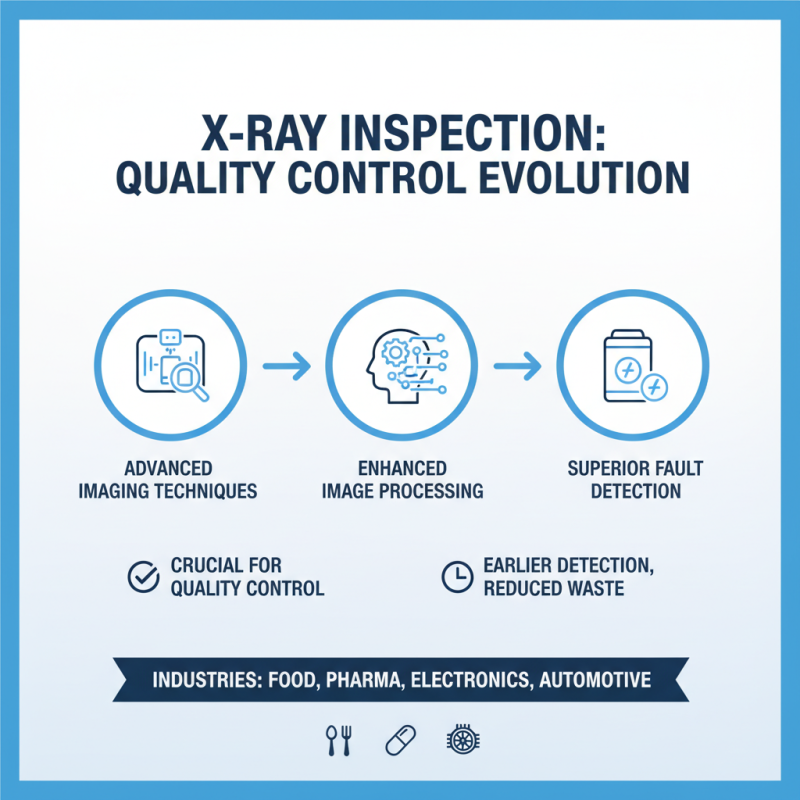
X-ray inspection machines are crucial for quality control in various industries. With advancements in imaging techniques, detection accuracy has significantly improved. Enhanced image processing algorithms allow for better visualization of internal structures. This leads to early detection of faults and inconsistencies.
Recent developments include the use of artificial intelligence. AI algorithms analyze images for anomalies more effectively. However, relying solely on technology can be risky. Occasionally, machines misinterpret images, leading to false positives or negatives. There’s a need for human oversight to ensure accuracy.
Moreover, real-time imaging techniques are gaining traction. They allow inspectors to see defects as they occur, minimizing production delays. Yet, the integration of these technologies can be met with challenges. Training staff to utilize advanced tools requires time and resources. Balancing innovation with practical implementation is essential for optimal results.
Revolutionizing Maintenance Practices for X-Ray Equipment
The maintenance of X-ray inspection machines is evolving significantly. New technologies revolutionize how organizations approach equipment upkeep. According to a recent report, improper maintenance can lead to a 20% reduction in machine efficiency. This highlights the importance of regular and informed maintenance practices.
Automated monitoring systems provide real-time data about machine performance. This data helps technicians identify potential issues before they escalate. Yet, organizations still struggle with fully adopting these technologies. A 2022 survey noted that 35% of facilities still rely on outdated maintenance practices. This is a concern, as equipment failures can disrupt operations and increase costs.
Training is another crucial aspect of maintenance. Many technicians lack access to updated training programs. The same survey indicated that 40% of technicians feel underprepared. Challenges remain in providing advanced training to ensure staff can manage modern systems effectively. Balancing cutting-edge technology with ongoing education remains a hurdle for many organizations.
Sustainability Trends in Manufacturing X-Ray Inspection Machines
The trend toward sustainability in manufacturing X-ray inspection machines is gaining momentum. Reports indicate that over 70% of manufacturers prioritize eco-friendly solutions. This shift is driven by the need for energy efficiency and reduced waste. Manufacturers are exploring innovative materials that are recyclable and less harmful to the environment. X-ray machines are now being designed with energy-saving modes. These machines can cut energy consumption by approximately 30%, a significant improvement.
Tips: Consider the environmental impact of your machinery choices. Look for machines with lower power requirements and longer lifespans.
Additionally, the use of advanced software helps reduce maintenance needs. A recent study showed that enhanced software can extend equipment life by up to 20%. This benefits not only the environment but also the manufacturer’s bottom line. However, transitioning to these technologies requires investment and a change in mindset. Some stakeholders may resist this change, worried about upfront costs.
Tips: Engage your team in discussions about sustainable practices. Education is key to overcoming resistance to new technology.
2026 Top Trends in X Ray Inspection Machines for Enhanced Quality Control
| Trend |
Description |
Impact on Quality Control |
Sustainability Benefits |
| AI Integration |
Utilizing artificial intelligence for data analysis and defect detection. |
Increases accuracy and speed of inspections. |
Reduces waste and resource use by optimizing inspection processes. |
| Enhanced Digital Imaging |
Improved resolution and clarity of images captured by X-ray systems. |
Enhances defect identification and reduces missed detections. |
Promotes longer equipment lifespan, reducing electronic waste. |
| Portable Inspection Solutions |
Development of compact and mobile X-ray systems. |
Enables inspections in diverse locations without compromising quality. |
Decreases energy consumption by reducing transportation needs. |
| Real-time Data Analytics |
Immediate processing and localization of data to enhance decision-making. |
Facilitates quicker responses to quality issues. |
Leverages resources efficiently, minimizing environmental impact. |
| Eco-friendly Materials |
Adoption of sustainable materials in machine production. |
Leads to reduced carbon footprint and improved accountability. |
Promotes recycling and the use of renewable resources. |